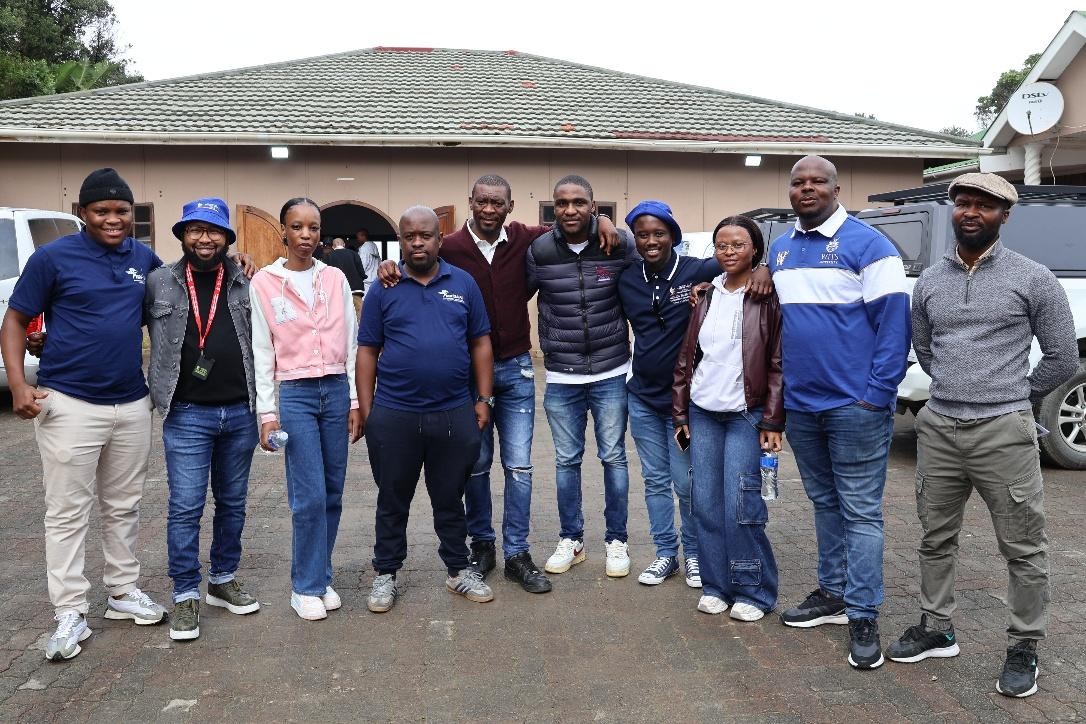
By Siyamthanda Ndinisa
Community members, school learners, researchers and other stakeholders gathered at Lily Chalets in Port St Johns on Monday, 31 August, for a workshop exploring the cultural, environmental and scientific importance of sacred freshwater systems and the threats they face. The workshop was held as part of the Water Research Commission project (C2025/2026-01859), led by Dr Thendo Mutshekwa of Albany Museum.
Hosted by Albany Museum, the workshop focused on Isinuka Springs in Port St Johns, as well as CO₂-seeping freshwater systems in Mbizana, Eastern Cape, and Bongwana, KwaZulu-Natal. These sites were explored through the integration of scientific and indigenous knowledge, with discussions focusing on their history, cultural significance, freshwater biodiversity and environmental challenges.
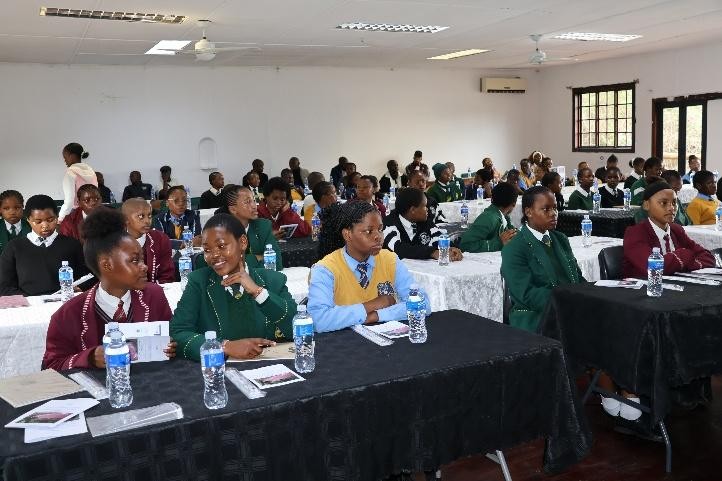
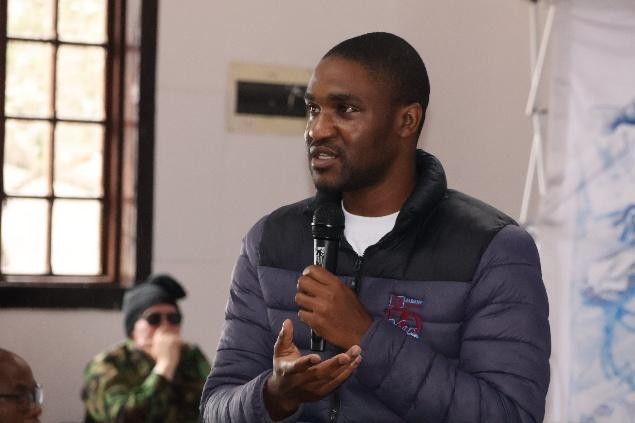
Pictures: on the left: learners watching and listening to the speakers. On the right: Dr Thendo Mutshekwa introducing the project to the audience.
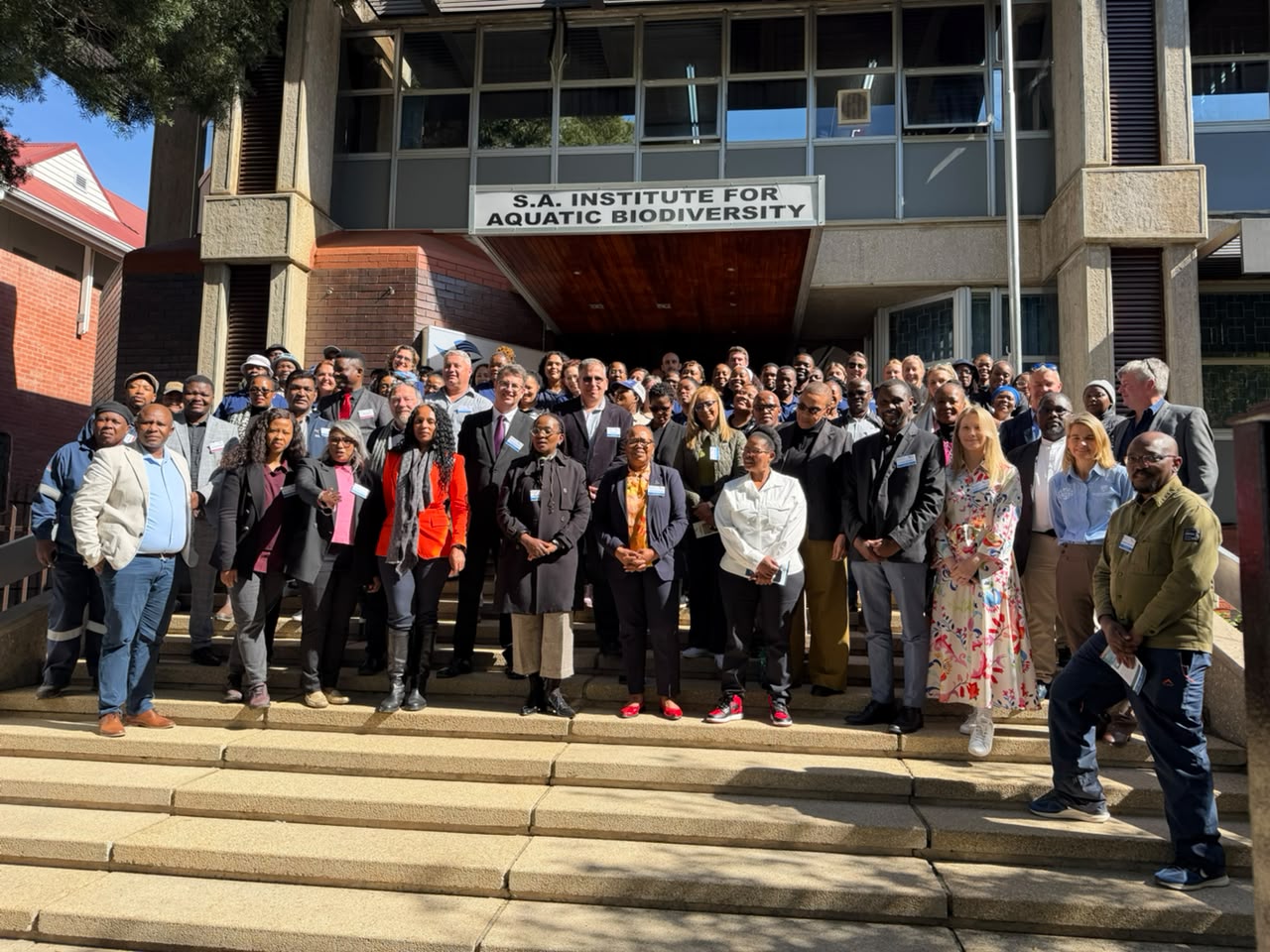
Led by Albany Museum’s Dr Thendo Mutshekwa, the workshop brought together project researchers, local schools, community organisations and other stakeholders. Project members included Dr Samuel N. Motitsoe and Mr Khotso E. Mokheseng from Wits University, Dr Karabelo Macmillan Moloantoa from the University of KwaZulu-Natal, and Dr Lubabalo Mofu and his team from NRF-SAIAB. The workshop was further supported by Rhodes University, Institute for Water Research, Fort Hare University and the Water Research Commission through the provision of branded merchandise and academic pamphlets for participants. The workshop also welcomed learners from Roman Catholic JSS, De La Ray Mkatshwa JSS, Port St Johns JSS and Port St Johns SSS, as well as delegates from the Port St Johns Youth Centre, Port St Johns Municipality, Wild Coast Museum, Port St Johns Library, Port St Johns Local Football Association and Milkwood Estate. Approximately 150 participants attended the workshop
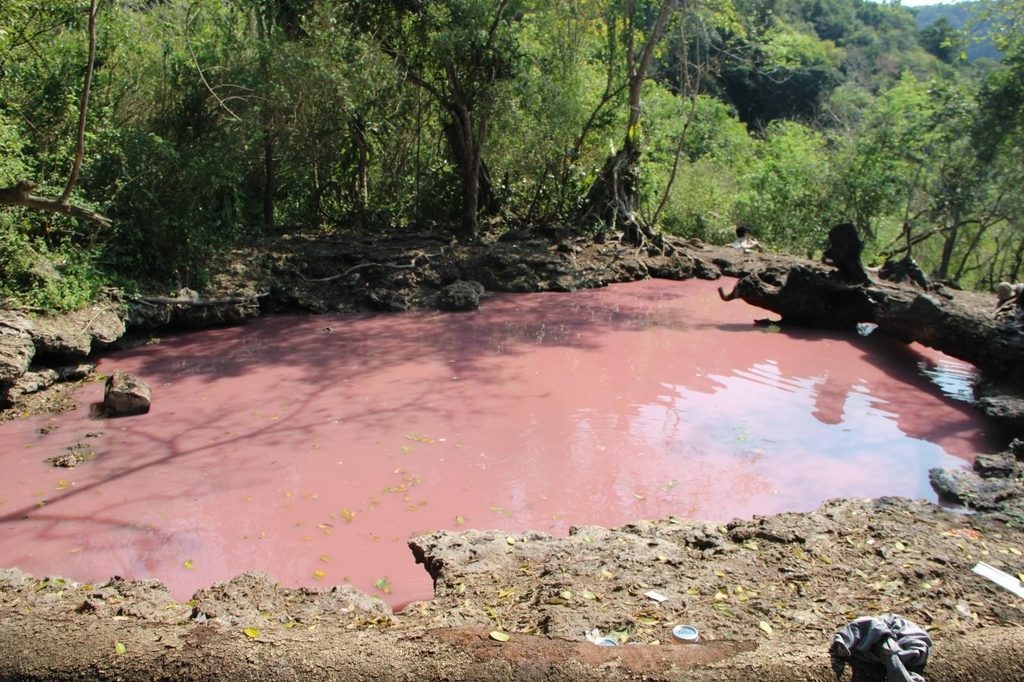
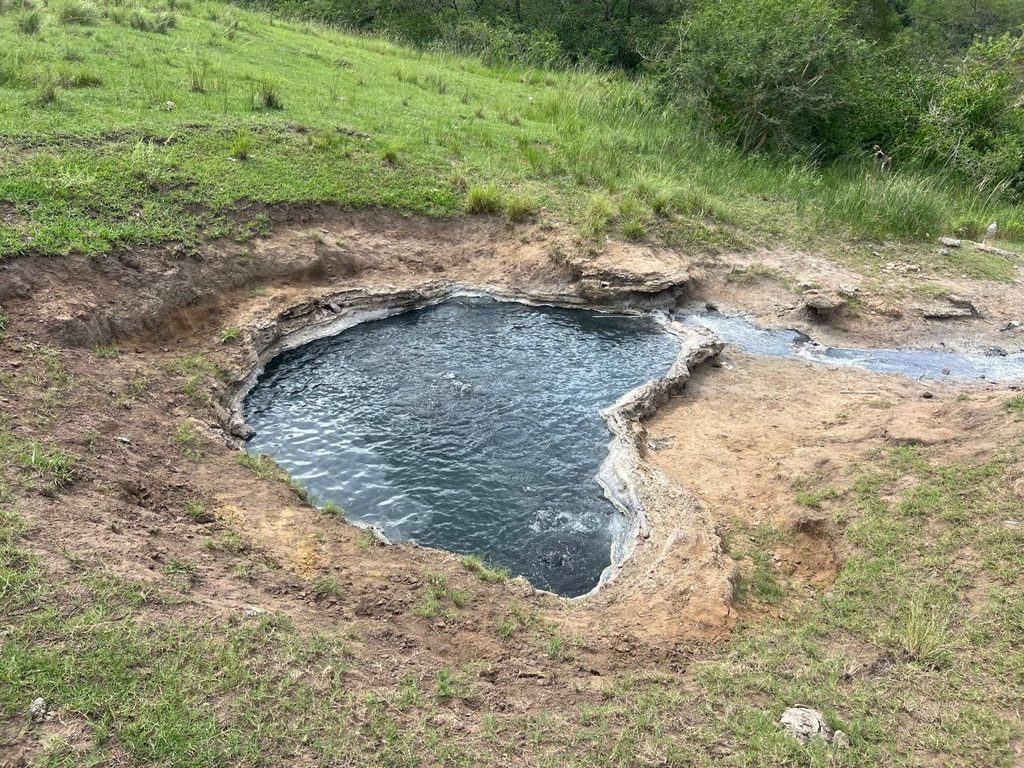
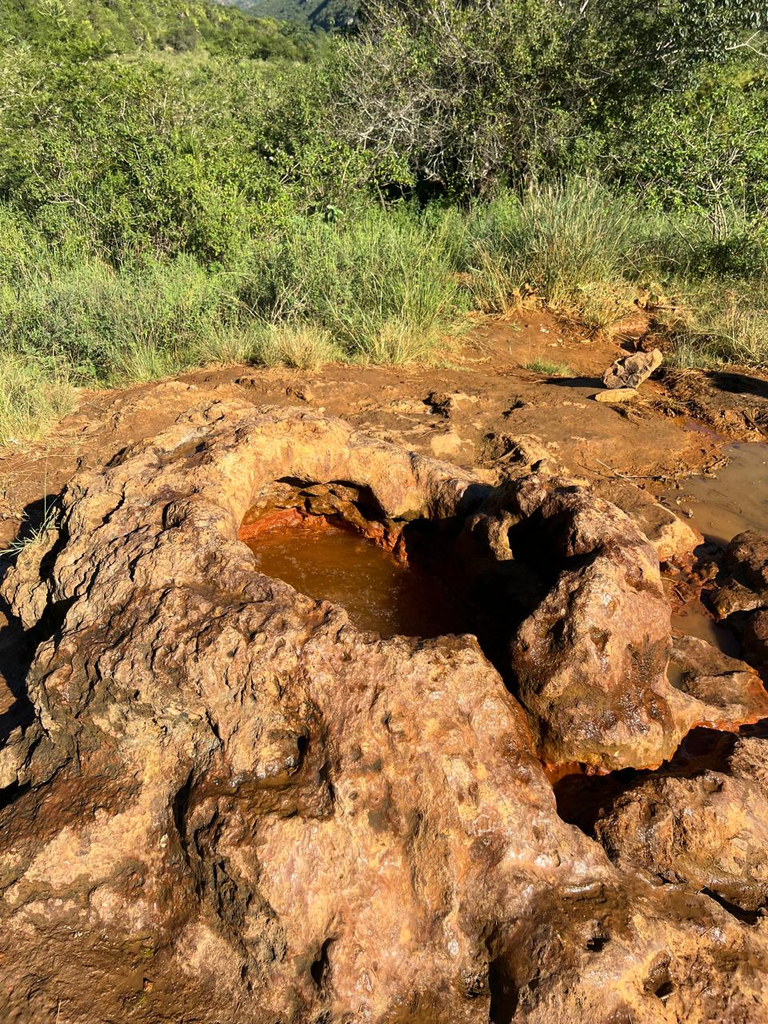
Pictures: The sacred springs currently being studied as part of the Water Research Commission (WRC)-funded project
The workshop opened with Dr Thendo Mutshekwa, who introduced the WRC project and discussed emerging threats to sacred freshwater systems, with particular emphasis on pollution and emerging contaminants. His discussion highlighted the presence and potential impacts of plastic pollution and other contaminants in sacred springs, as well as the need to understand how human activities may affect water quality, aquatic biodiversity and the cultural value of these sites. This was followed by presentations covering a range of freshwater-related topics. Dr Karabelo Macmillan Moloantoa discussed freshwater and microbial research, while Dr Samuel N. Motitsoe introduced learners to freshwater biology and its importance. Dr Lubabalo Mofu presented on freshwater biodiversity from a fish perspective.
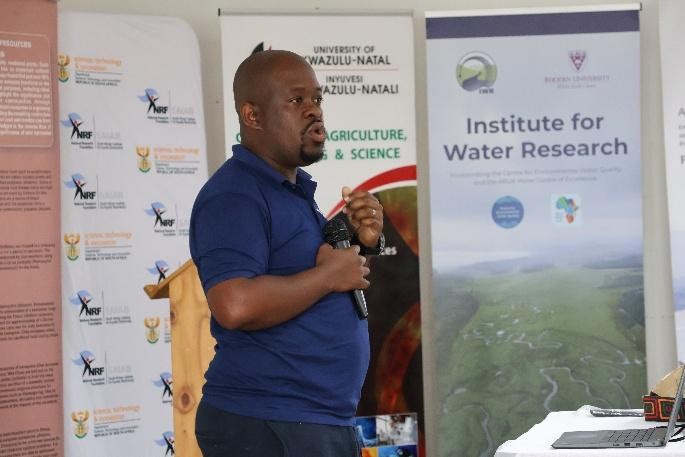
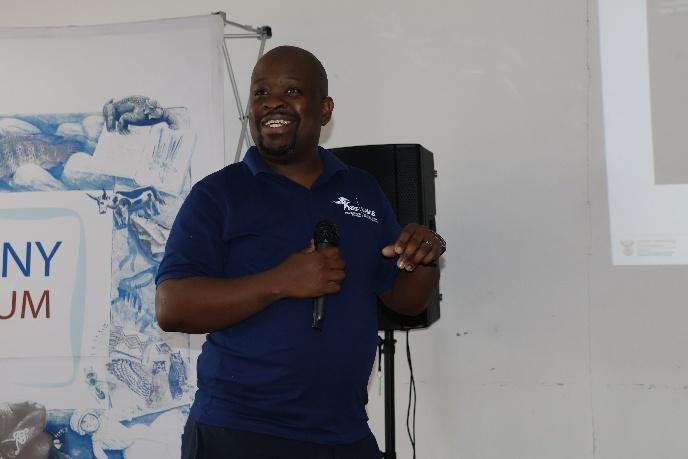
Picture: Dr Lubabalo Mofu offering a presentation on freshwater biodiversity from a fish perspective
Dr L. Mofu emphasised the need to empower and encourage more women to pursue careers in science, while also highlighting the importance of making scientific research and specialised research facilities more accessible to communities and researchers outside Makhanda.
The workshop also highlighted the contribution of museums and local organisations. Mr Sinethemba Yame from Albany Museum discussed the role of museum collections in research and conservation, while Ms. Sisanda Kumalo presented on the Wild Coast Museum’s role in local heritage, education and community engagement. Mr Solomon Bam from the Port St Johns Youth Centre addressed youth, education and freshwater stewardship, followed by a local government perspective from Environmental Officer Mr Thulani Gweje.
A community discussion provided an opportunity for participants to share their perspectives and experiences. The workshop concluded with a collections and careers exhibition, where learners and other participants viewed freshwater and museum specimens, fieldwork and sampling equipment, interacted with researchers and explored career opportunities in science, museums and environmental management.
Through their engagement with the community, the research team learnt that sacred waters are used for traditional practices, including cleansing rituals associated with removing bad luck and bad dreams, while some community members also sell the water to others. These discussions provided valuable insight into the cultural and community significance of sacred springs.
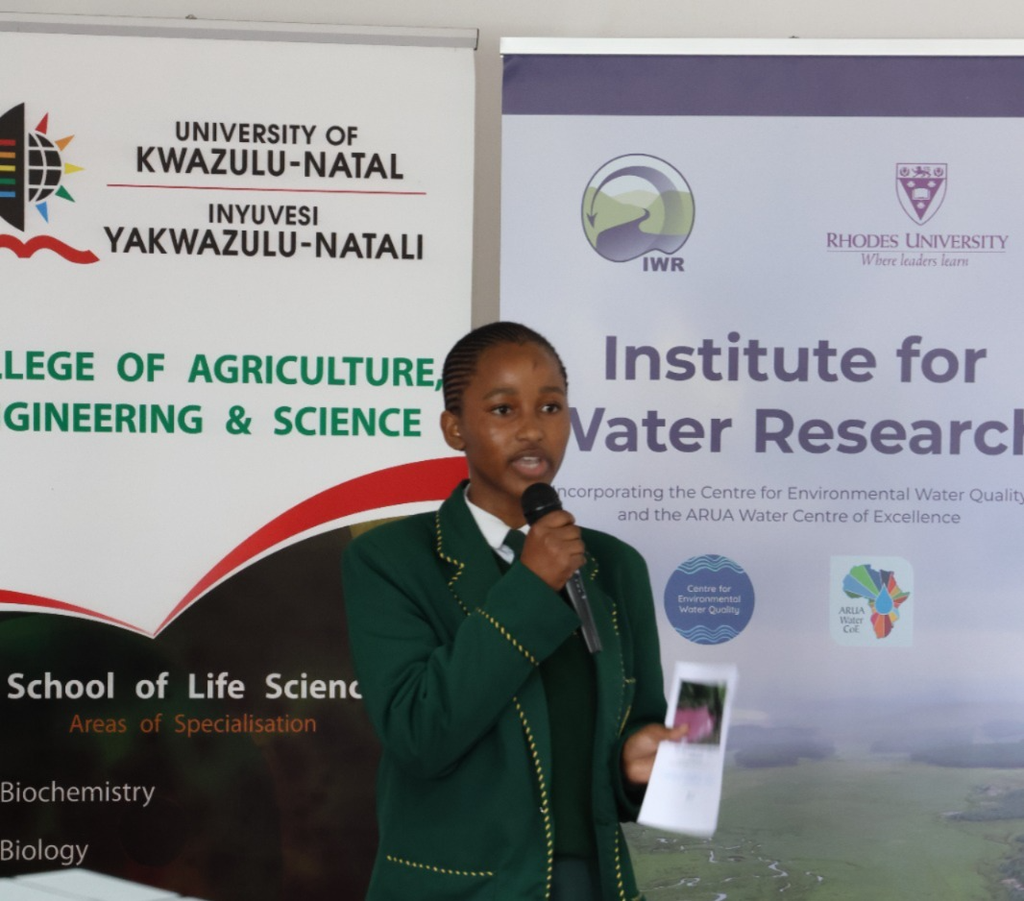
Port St Johns Senior Secondary Learner Dana Zaga sharing her knowledge on sacred water and the importance of protecting our water resources
The workshop also provided learners with an opportunity to engage directly with researchers and gain exposure to freshwater science and environmental research.
Grade 9 learners from Roman Catholic Junior Secondary School also reflected on what they had learnt during the workshop. Siyahluma Mkhuvo said she learnt about aquatic animals and insects she had never encountered before, while Siphesihle Maklasi highlighted learning about the history and significance of sacred places, particularly Isinuka Springs. Asenathi Siwola emphasised the importance of keeping water clean, avoiding pollution and practising good hygiene.
The feedback demonstrated that learners gained new knowledge about freshwater biodiversity, sacred places and responsible water use, while also showing an increased awareness of pollution and hygiene.
Overall, the workshop demonstrated the value of bringing researchers, learners, community members and local stakeholders together to share knowledge and perspectives on sacred freshwater systems. It strengthened awareness of the cultural and environmental importance of sacred springs while promoting collaboration, education and a greater understanding of the need to protect freshwater resources.
Dr Mutshekwa ended the workshop by expressing his appreciation to the Water Research Commission and the participating institutions, local schools and stakeholders for their contribution to the workshop.