By: Dr. Yonela Sithole (NRF-SAIAB), Dr. Thethela Bokhutlo (BIUST), and Mr. Daniel Nkosinathi Mazungula (NRF-SAIAB)
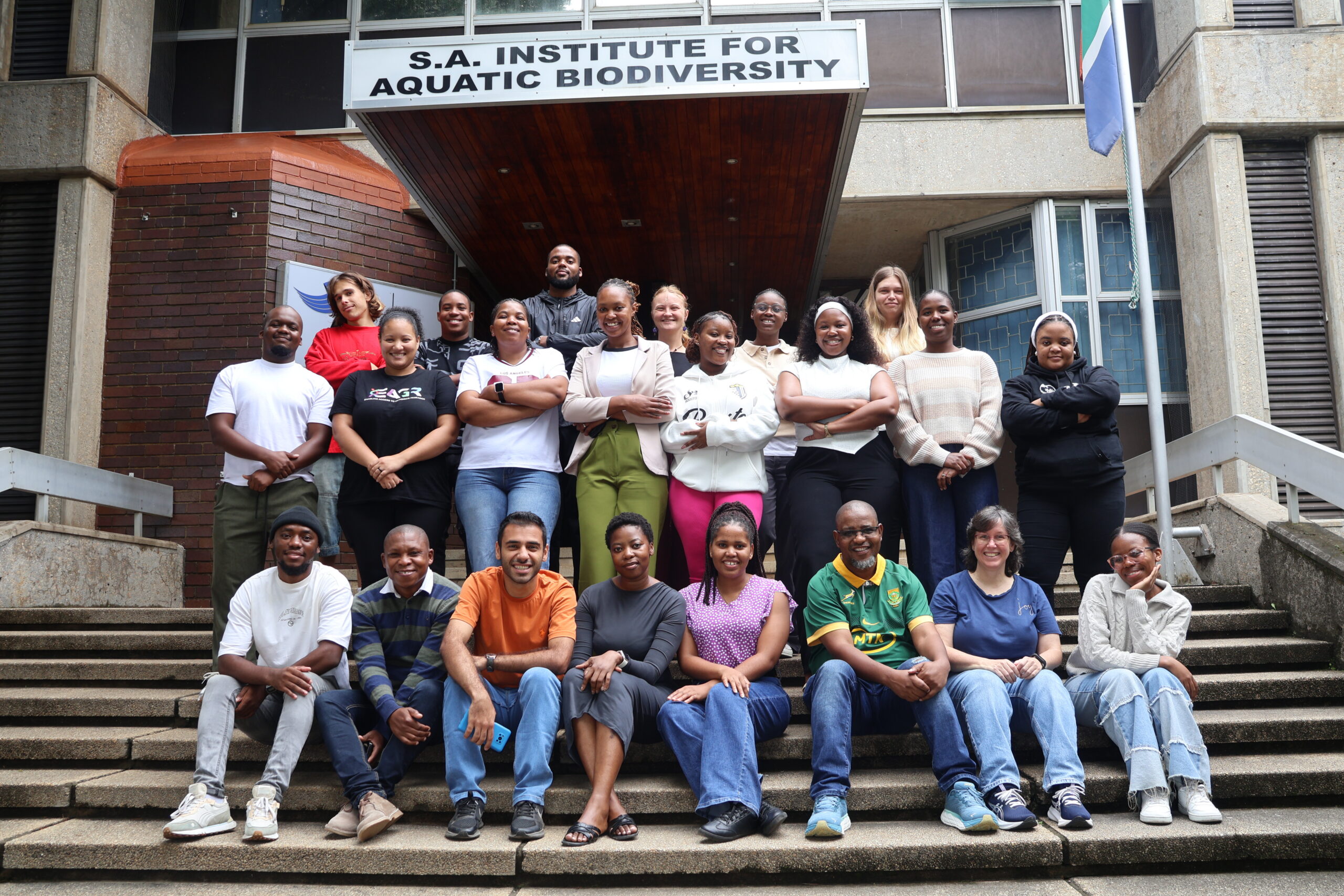
Regional capacity building lies at the heart of the mandate of the National Research Foundation’s-South African Institute for Aquatic Biodiversity (NRF-SAIAB). In line with this commitment, NRF-SAIAB undertook a two‑week research visit to the Botswana International University of Science and Technology (BIUST) from 24 November to 6 December 2025. The visit focused on hands‑on training, knowledge exchange, and strengthening regional scientific collaboration.
The institute was represented by Dr. Yonela Sithole, Postdoctoral Research Fellow in Fish Taxonomy and Systematics, and Mr. Daniel Nkosinathi Mazungula, Collections Manager of NRF-SAIAB’s National Collection Facility. The mission aimed to foster mutual knowledge exchange among BIUST students, staff, and local fishermen with practical skills in fish sampling, biodiversity assessment, and research design – skills essential for long‑term regional monitoring and conservation.
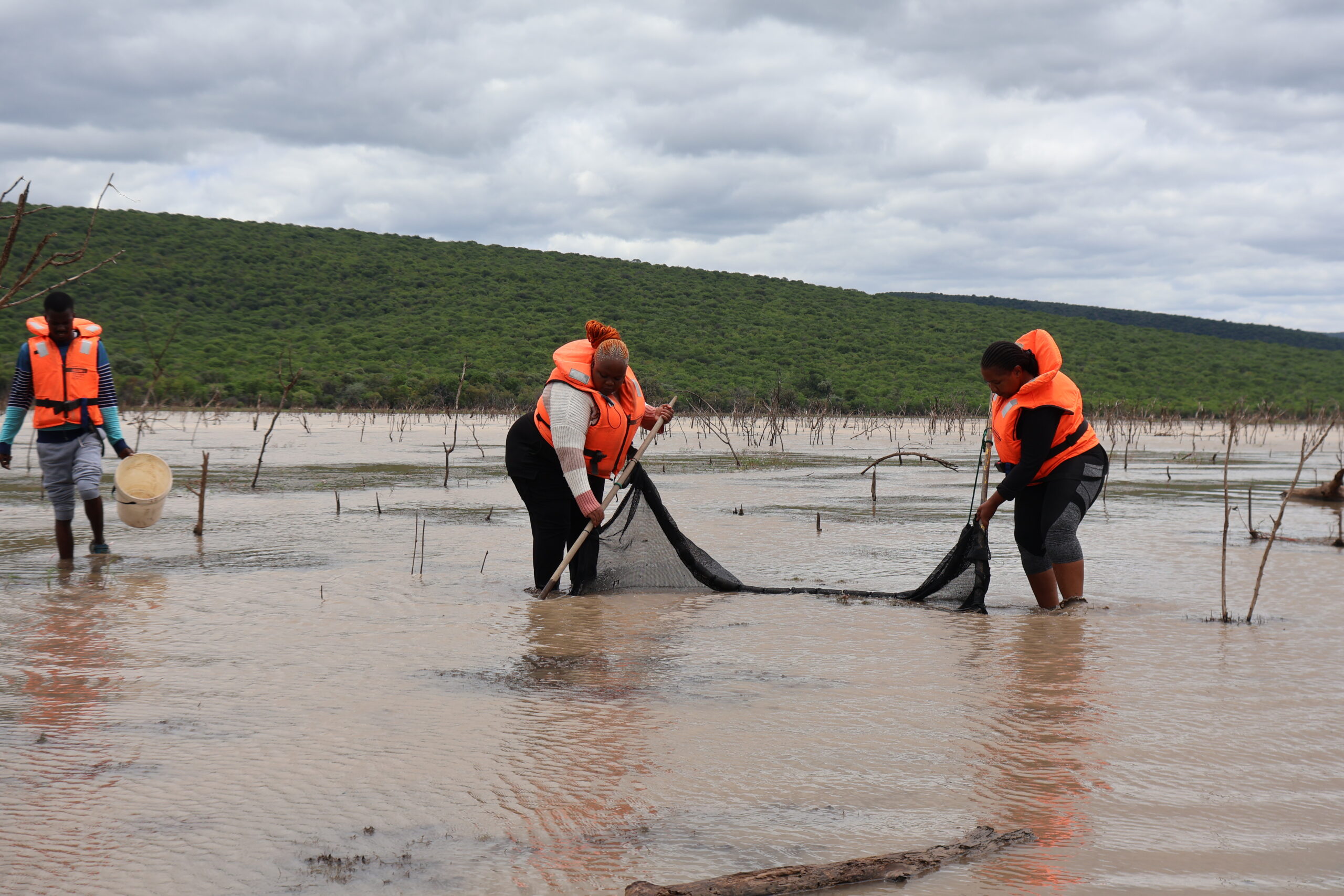
The research visit covered several dams and tributaries in Palapye, Mmadinare and Selibe-Phikwe within the Limpopo River catchment, where the teams assessed fish diversity and identified specimens to species level. To support the training, NRF-SAIAB brought a range of sampling equipment, including: hand throw casting nets, fyke nets, seine nets, and D‑nets. This enabled participants to engage directly with multiple field techniques and fish identification guides (Figure. 1).
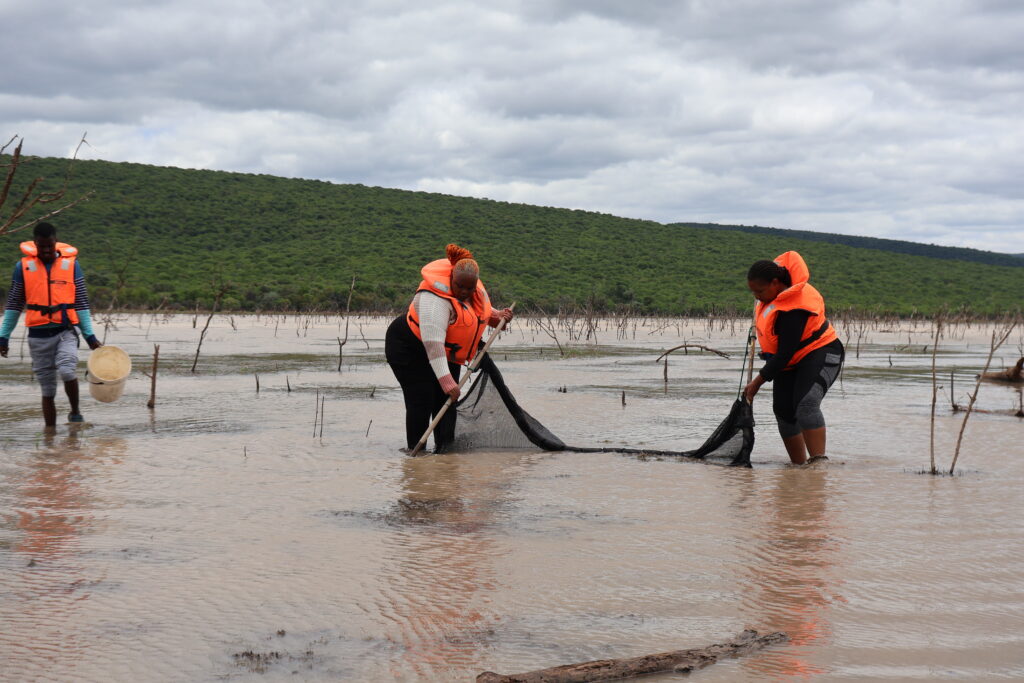
An important feature of this research visit was the inclusion of two experienced local fishermen, Mr. Onalenna Mlenga and Mr. Ephraim Modise, who are part of Botswana Government Poverty Eradication Programme in Mmadinare village. With nearly a decade of fishing experience in these waters, they provided invaluable knowledge about dam histories, access points, and commonly encountered fish species. Although they used general local names, for example, calling all catfish “MaBarbel” (based on the presence of barbels as a distinguishing feature), they quickly grasped the scientific distinctions demonstrated during fieldwork. Through shared sampling activities, they learned how morphological features differentiate species and even offered their boat to support site assessments and sampling (Figure 2). This collaboration highlighted the importance of integrating traditional and indigenous knowledge with scientific approaches to achieve shared conservation and research objectives.
Training the next generation of regional scientists
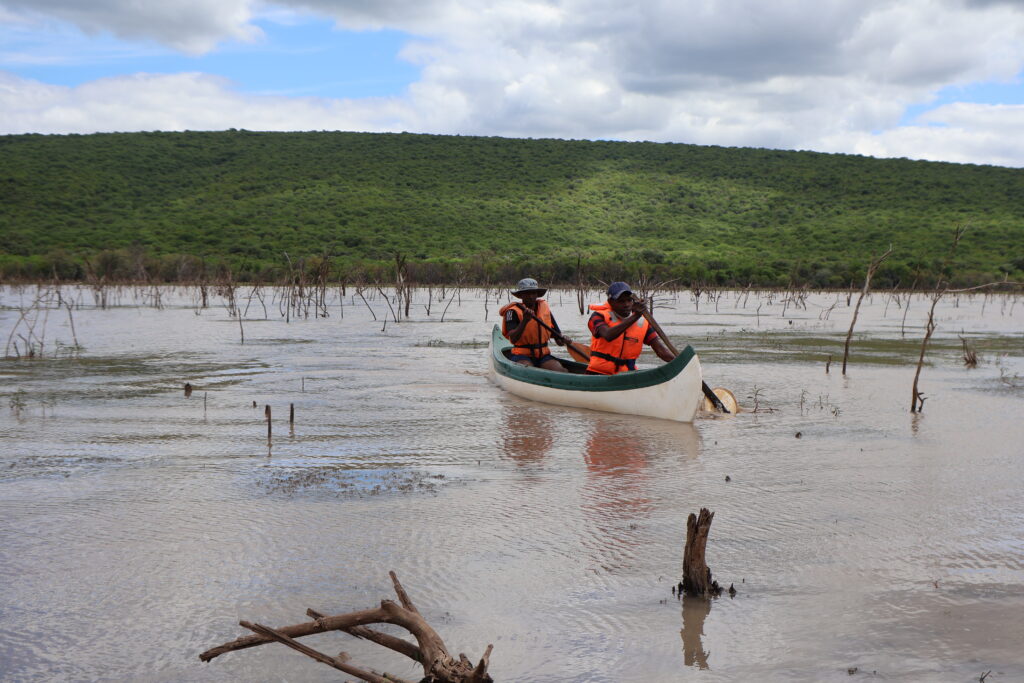
The research visit was coordinated by Dr. Thethela Bokhutlo of BIUST, (who completed his MSc training at the Rhodes University’s Department of Ichthyology and Fisheries Science under the supervision of the late Prof. Olaf Weyl more than a decade ago). The programme included two MSc students, Ms. Veronica Dipebe and Mr. Aobakwe Letus, who received intensive hands‑on training throughout the two-week visit.
Before the survey, students were briefed on safety procedures and provided with life jackets. They were trained to complete standardised filed datasheets, record site coordinates and environmental data, and operate essential equipment such as GPS devices and water‑quality meters. The training covered (i) fish handling and ethical sampling practices (ii) use of identification guides and taxonomic keys (iii) the collection of fin clips and muscle tissues for DNA analysis (iv) specimen labelling and field preservation of specimens for morphological analysis, (v) photographing specimens for taxonomic research and publications.
This initiative equiped BIUST students with the skills to continue monitoring aquatic biodiversity long after the NRF-SAIAB team’s departure. All voucher specimens and associated tissue samples retained from the survey were deposited in the NRF-SAIAB’s National Fish Collection and the National Aquatic Biodiversity Biobank, ensuring long-term preservation and accessibility for future research.
During the final week of the research visit, Prof. Albert Chakona (NRF-SAIAB Managing Director) delivered an institutional lecture titled “Cataloguing for conservation: Safeguarding lives and livelihoods.” Prof. Chakona highlighted that one of the greatest challenges in conserving freshwater fishes in southern Africa is limited knowledge of species-level diversity and distribution, compounded by a decline in taxonomic capacity. He emphasised the importance of building regional expertise through the training of students, field biologists, and local communities, as demonstrated during the NRF-SAIAB/BIUST field survey. The lecture sparked discussions on the need for African‑led collaborations to address conservation challenges that extend beyond national borders.
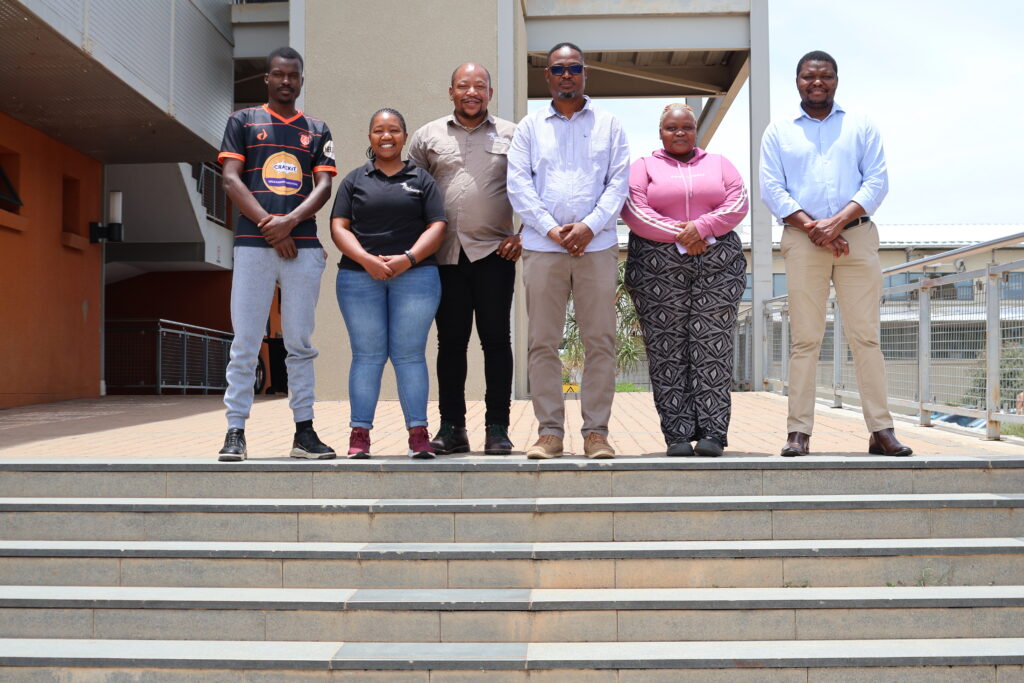
On the final day, the NRF-SAIAB and BIUST teams held a planning meeting to map out future collaboration and joint MSc project ideas were developed. To support ongoing fieldwork, NRF-SAIAB loaned sampling gear to BIUST for six-month period. Subject to availability of funding, one of the MSc students is expected to visit NRF-SAIAB in early 2026 to conduct genetic analyses in the Aquatic Genomics Research Platform (AGRP) and to further study the specimens collected during the survey in the National Fish Collection. The visit will provide a further opportunity to expand technical skills training and strengthen institutional collaboration.
The two‑week visit was more than a field trip. It was an investment in building regional scientific capacity, fostering collaboration between institutions, and establishing a practical model for collaborative research in southern Africa. By training students, empowering local fishermen, and establishing long‑term partnerships, NRF-SAIAB and BIUST are laying the groundwork for a coordinated, transboundary approach to conserving aquatic biodiversity in the region. Ultimately, Africa’s conservation challenges are best solved by building strong scientific communities within the continent itself, equipped with the tools, knowledge, and networks to lead the work forward.On the final day, the NRF-SAIAB and BIUST teams held a planning meeting to map out future collaboration and joint MSc project ideas were developed. To support ongoing fieldwork, NRF-SAIAB loaned sampling gear to BIUST for six-month period. Subject to availability of funding, one of the MSc students is expected to visit NRF-SAIAB in early 2026 to conduct genetic analyses in the Aquatic Genomics Research Platform (AGRP) and to further study the specimens collected during the survey in the National Fish Collection. The visit will provide a further opportunity to expand technical skills training and strengthen institutional collaboration.
The two‑week visit was more than a field trip. It was an investment in building regional scientific capacity, fostering collaboration between institutions, and establishing a practical model for collaborative research in southern Africa. By training students, empowering local fishermen, and establishing long‑term partnerships, NRF-SAIAB and BIUST are laying the groundwork for a coordinated, transboundary approach to conserving aquatic biodiversity in the region. Ultimately, Africa’s conservation challenges are best solved by building strong scientific communities within the continent itself, equipped with the tools, knowledge, and networks to lead the work forward.