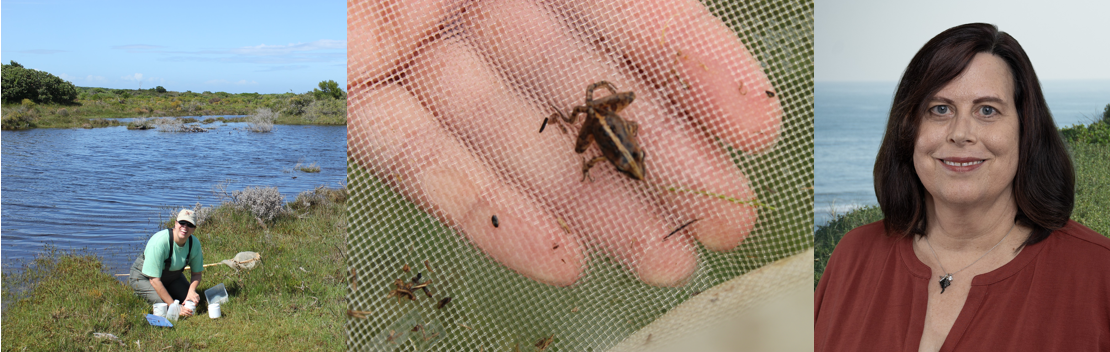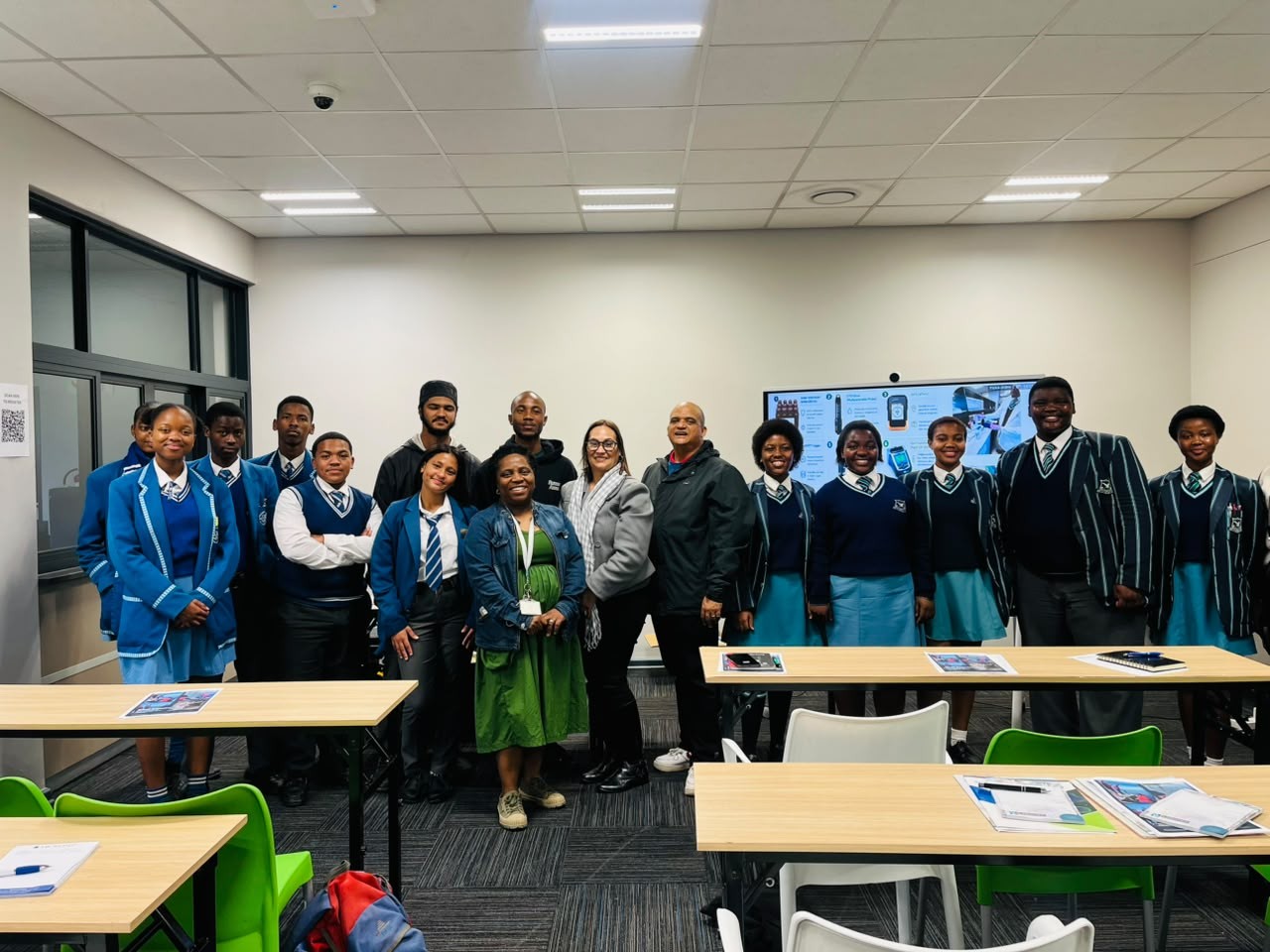
By Shulami Ntsoeu, Nozipho Hambaze, Dr Lucienne Human, Dr Nokubonga Mbandzi-Phorego, Prof. Francesca Porri
A group of Grade 11 learners from Bethelsdorp, Motherwell and Ndzondelelo High Schools recently spent three days scientifically exploring the Swartkops Estuary, Eastern Cape, taking part in a citizen science sampling trip that forms part of an MSc study through Rhodes University’s Department of Environmental Science. The engaged research, led by MSc candidate Ms Shulamy Ntsoeu under the supervision of Dr Jessica Cockburn (Rhodes University), Dr Lucienne Human (NRF-SAEON) and Dr Nokubonga Mbandzi-Phorego (University of Zululand/NRF-SAIAB), is comparing conventional, laboratory-based water-quality monitoring against a low-cost citizen science toolkit, GEM-in-a-Box, to establish whether school learners can use the kit to generate data that is both scientifically useful and locally meaningful.
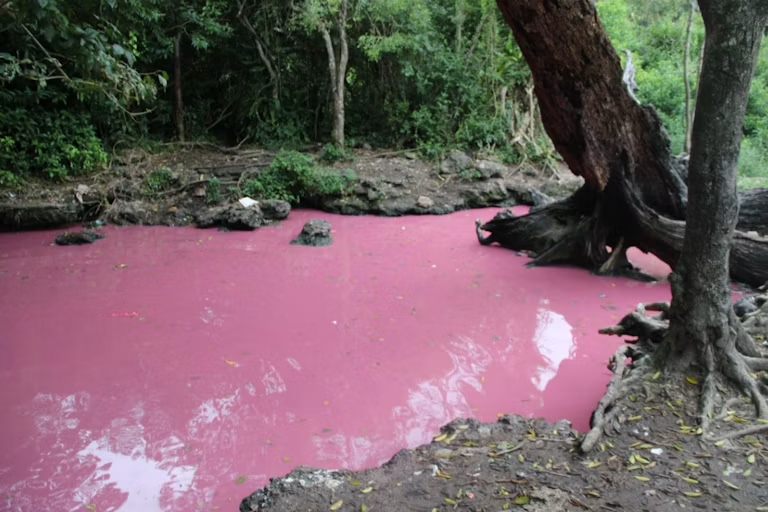
The Swartkops Estuary is one of the Eastern Cape’s most valued estuaries, supporting bait harvesting, recreational and subsistence fishing, cultural and spiritual practice, leisure activities, and a strong sense of community connection. Like many urban estuaries, however, this system is under pressure from eutrophication, as nutrient-rich and wastewater and diffuse discharges fuel algal blooms, deplete oxygen, and degrade water quality. The effects have been visible for a long time as the Redhouse River Mile swimming event has been halted for a number of years, and cleansing ceremonies and Zion Church baptisms once held on the estuary’s banks have declined. While conventional eutrophication monitoring can track these changes with precision, its costs and technical complexity exclude the very communities that depend on the estuary’s ecosystem services, a gap that citizen science inclusion aims to close.
The GEM-in-a-Box connection
The Swartkops learners scientists event forms part of the broader SA-GEM initiative, anchored at the South African Institute for Aquatic Biodiversity (NRF-SAIAB), which is trialling the Global Eutrophication Monitoring (GEM)-in-a-Box kit across South African estuarine and coastal environments. The kit, a portable, standardised and relatively low-cost gear for monitoring nutrient enrichment, was recently secured through a transboundary donation partnership involving Fisheries and Oceans Canada, The Ocean Foundation, the Commonwealth Blue Charter and the Tula Foundation, as part of a global network spanning countries including Kenya, Cameroon, Malaysia, Bangladesh, The Bahamas, the Solomon Islands, and Trinidad and Tobago. Under the leadership of Prof. Francesca Porri at the NRF-SAIAB, and in collaboration with Dr Lucienne Human at NRF/SAEON and Dr Nokubonga Mbandzi-Phorego (NRF SAIAB/University of Zululand), the GEM-in-a-Box programme has grown into a case study for how low-cost, standardised monitoring tools can expand water-quality data collection in under-resourced coastal regions while building local scientific capacity. A parallel study on the KwaZulu-Natal north coast is also planned to test the same approach with the King’s Landing micro-estuary and uMlalazi Estuary communities.
The Eastern Cape leg of the project, bringing high school learners directly into the sampling process at Swartkops, extends this work a step further, asking not only whether the GEM kit produces reliable data, but whether young citizen scientists can be meaningfully equipped to generate it themselves. Early indications from the pilot suggest the kit’s portability and simplified protocols make it well suited to this kind of community and youth engagement, though ongoing mentorship and quality-assurance support, provided in this case by NRF-SAEON, remain essential to maintaining data reliability.
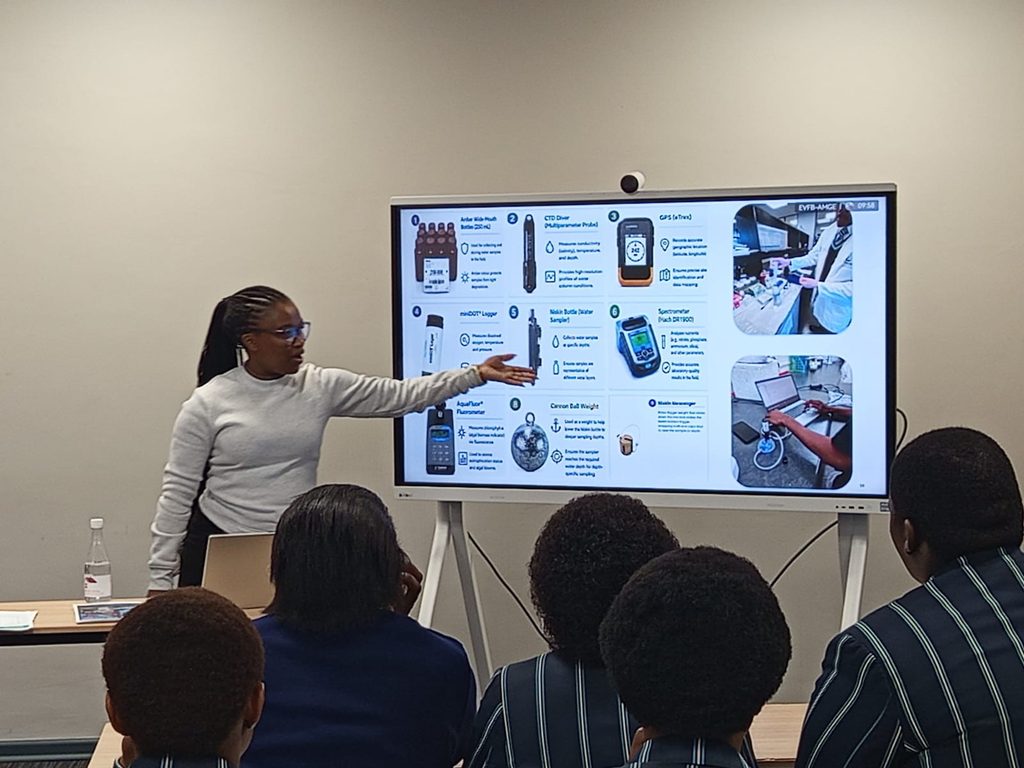
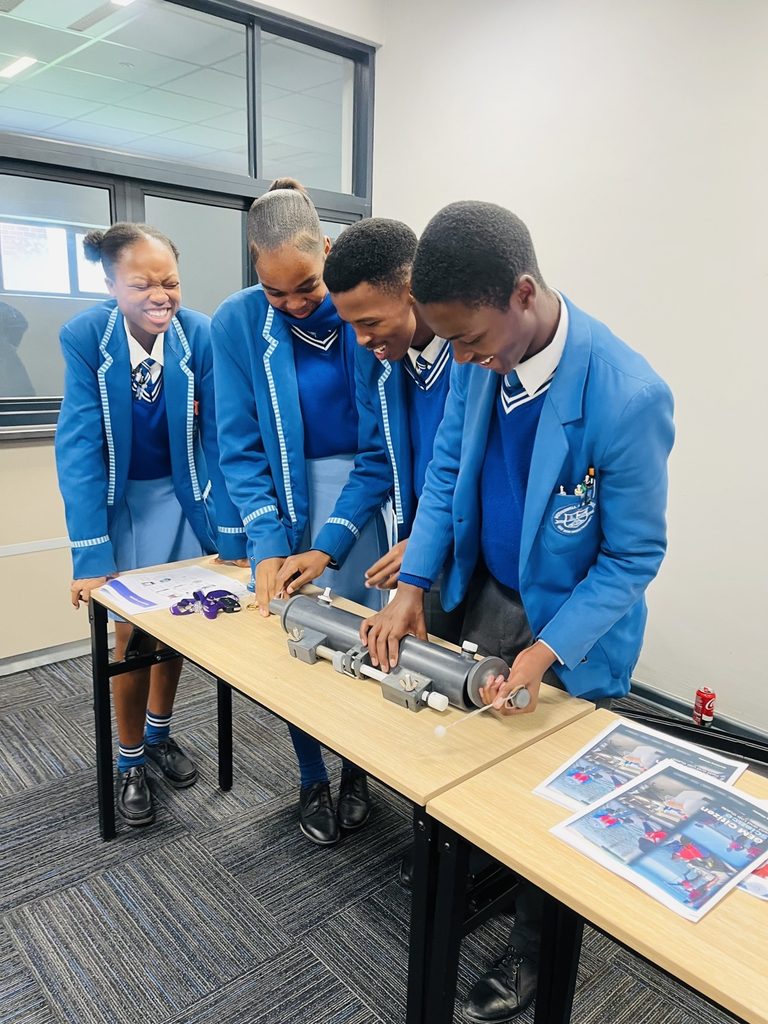
Day 1: learners are introduced to eutrophication and trained in both the conventional method and the GEM-in-a-Box kit. Learners get hands-on with the GEM-in-a-Box kit during training
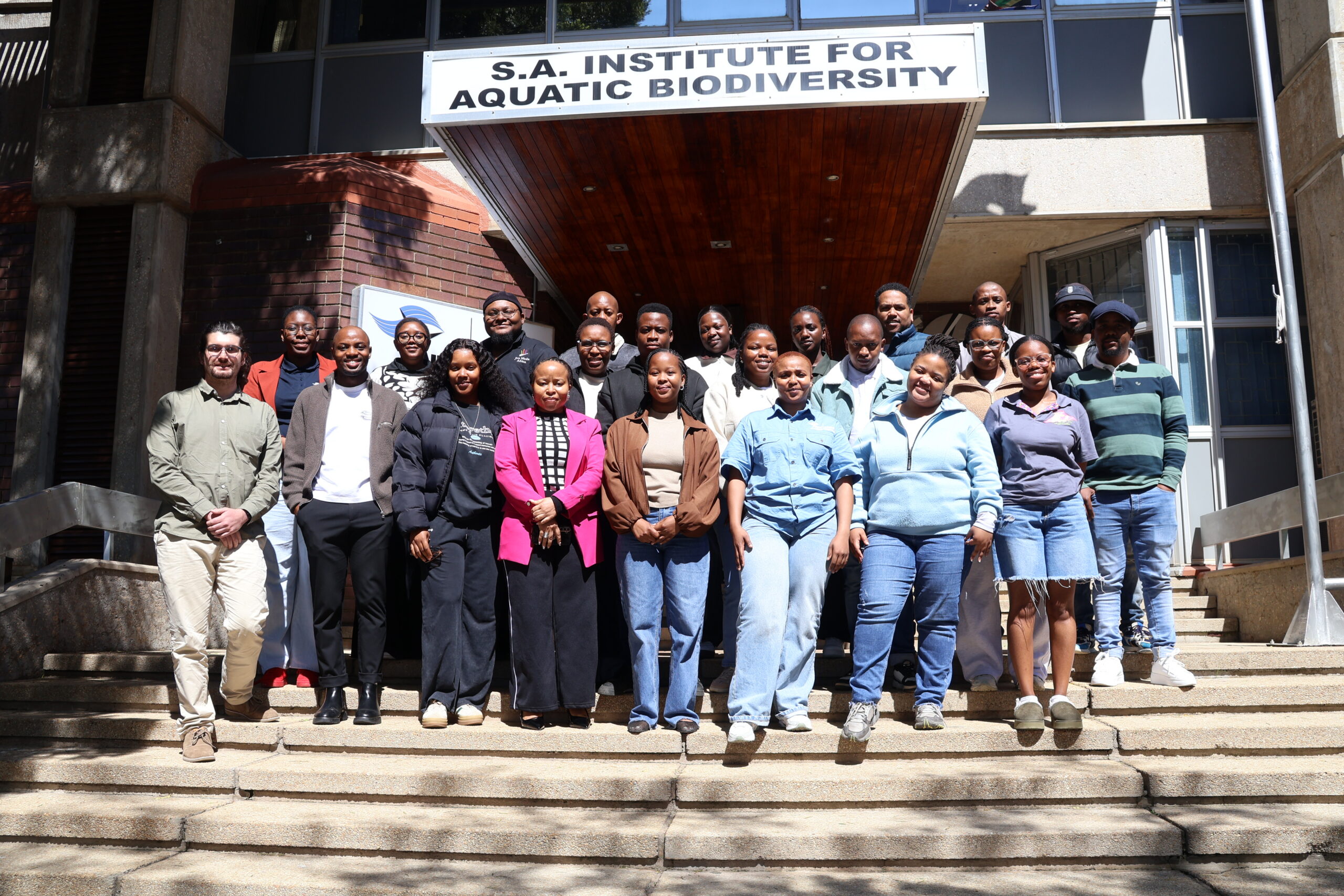
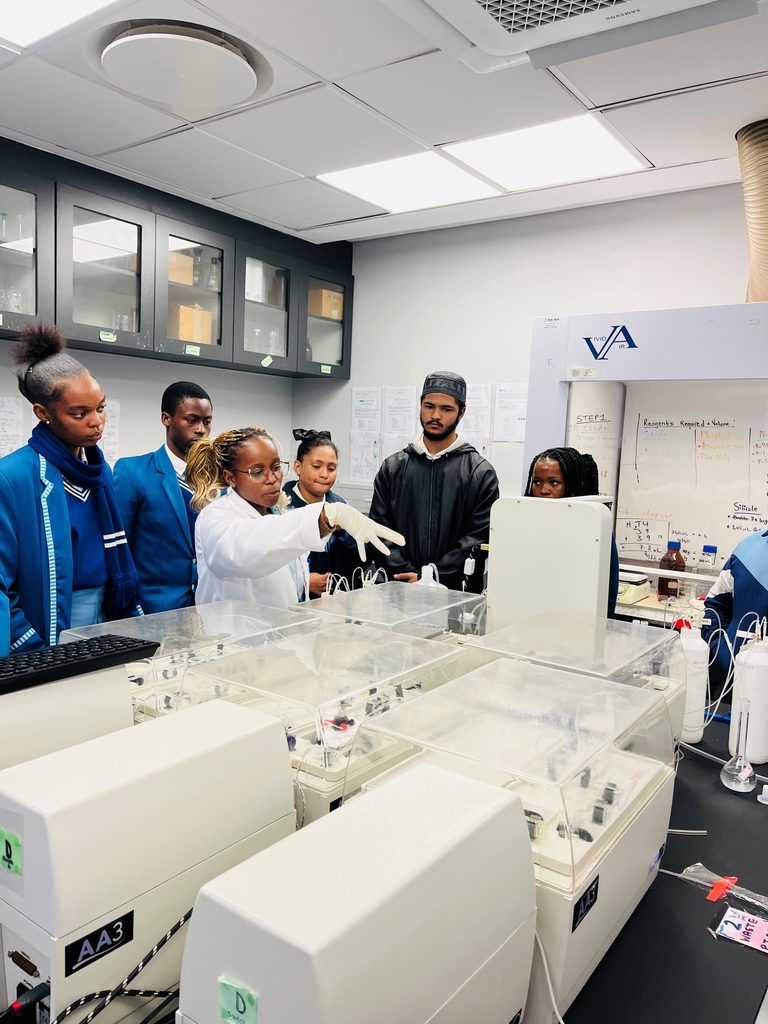
The experience followed a three-day programme. On Day 1, learners were introduced to the concept of eutrophication and its impacts on the Swartkops Estuary through an interactive workshop. Learners were trained in both conventional water-quality monitoring methods and the GEM-in-a-Box kit, followed by a practical demonstration and safety briefing. On Day 2, learners collected water samples in the field, side by side using both approaches and working under the supervision of the GEM-team. This experience offered a hands-on opportunity to compare the two approaches in real time. On Day 3, learners toured a professional water-quality laboratory at the NRF-SAEON Elwandle, where they engaged directly with laboratory technicians during sample analysis. The programme concluded with a facilitated workshop in which learners discussed their experiences and reflected on the similarities, differences, pros and cons between the two approaches.
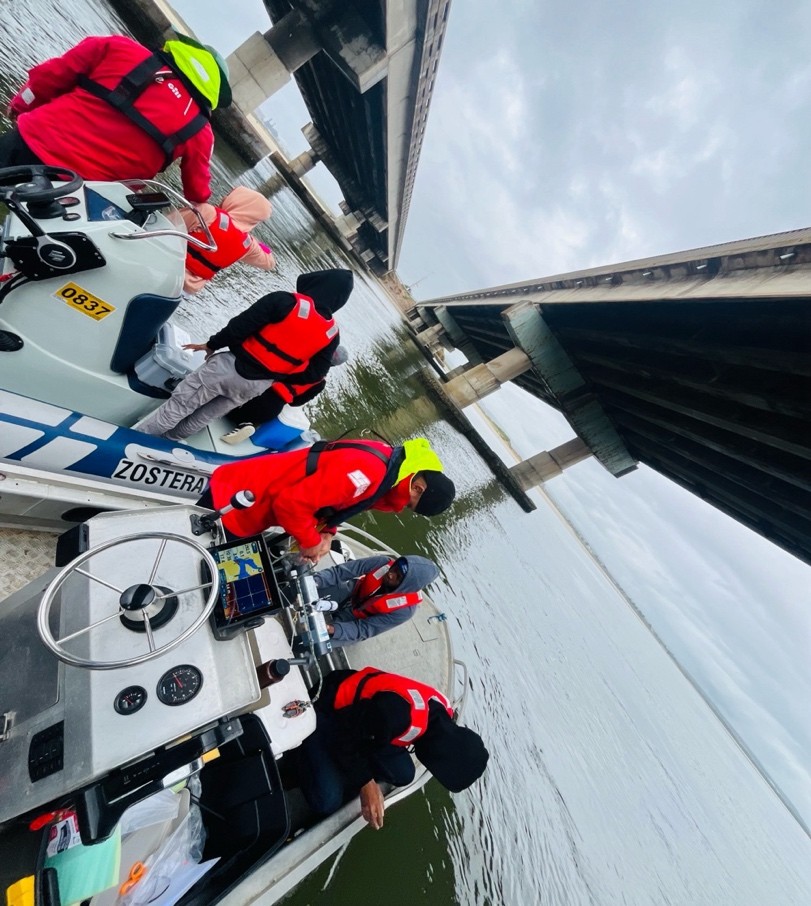
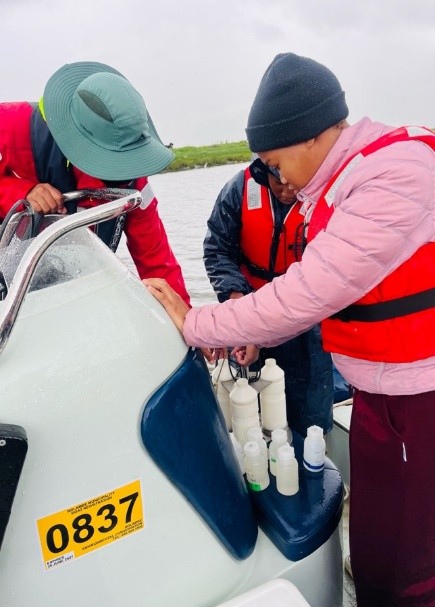
Learners as citizen scientists in the Swartkops Estuary, using paired methods for water-quality sampling. Hands-on training included both the GEM-in-a-Box kit and conventional sampling methods
GEM-in-a-Box is a low-cost eutrophication monitoring kit developed through a two-year global pilot project, designed to help address gaps in eutrophication data in under-resourced and developing regions, where access to scientific equipment is limited. For the Grade 11 citizen scientists who used it, the kit offered a chance to move beyond learning about eutrophication, a concept in the South African Curriculum Assessment Policy Statements (CAPS), to experiencing environmental monitoring first-hand. Through collecting and analysing water-quality data, learners developed practical skills, contributed local knowledge and perspective. Experiences such as this can help narrow the divide between “expert” and “community”, showing that environmental science can be co-produced, rather than simply delivered to the young people who live closest to the water body. In this way, GEM-in-a-Box offers not only a practical tool for generating much-needed data, but also a starting point for building a more inclusive relationship between science, young people and their local environment.
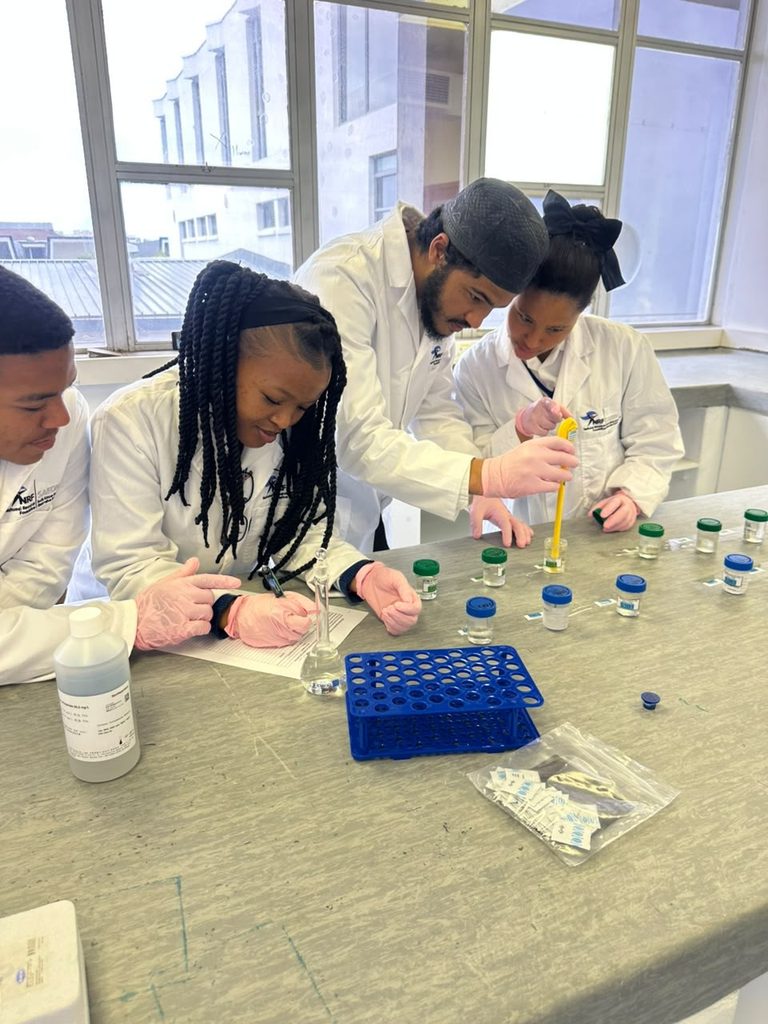
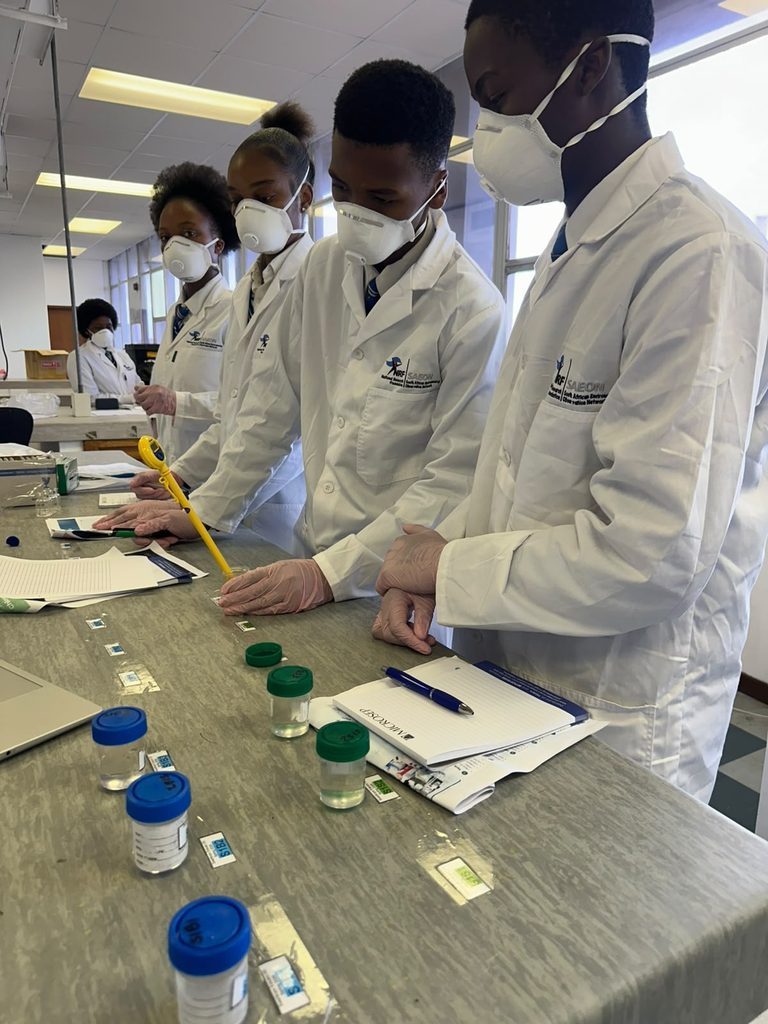
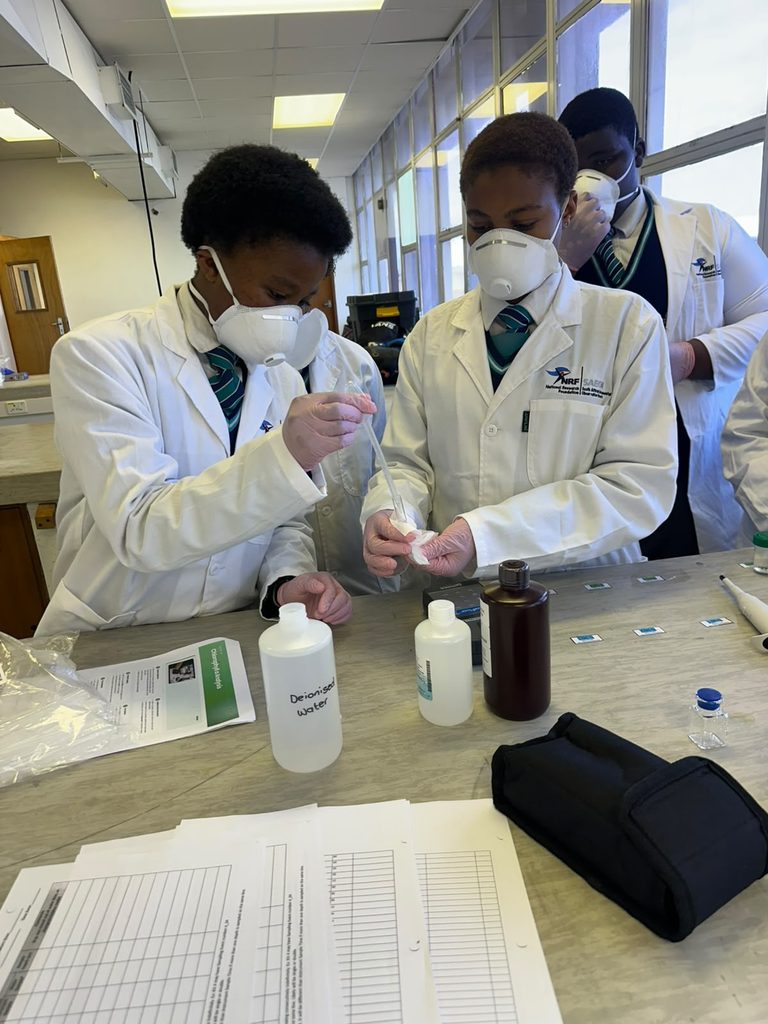
Day 3: citizen scientists tour a water-quality laboratory and see how their samples are analysed
The data and reflections gathered during this event will feed directly into Ms Ntsoeu’s MSc research. The study compares the effectiveness and reliability of the GEM-in-a-Box kit with those of conventional laboratory methods and assesses the kit’s suitability for citizen science. It also includes a qualitative analysis of the learners’ experiences. The findings will help determine whether, and how, the kit could be used more widely to monitor water conditions in South Africa’s estuaries, with youth, schools and local communities playing an active part in understanding and caring for the water bodies around them.
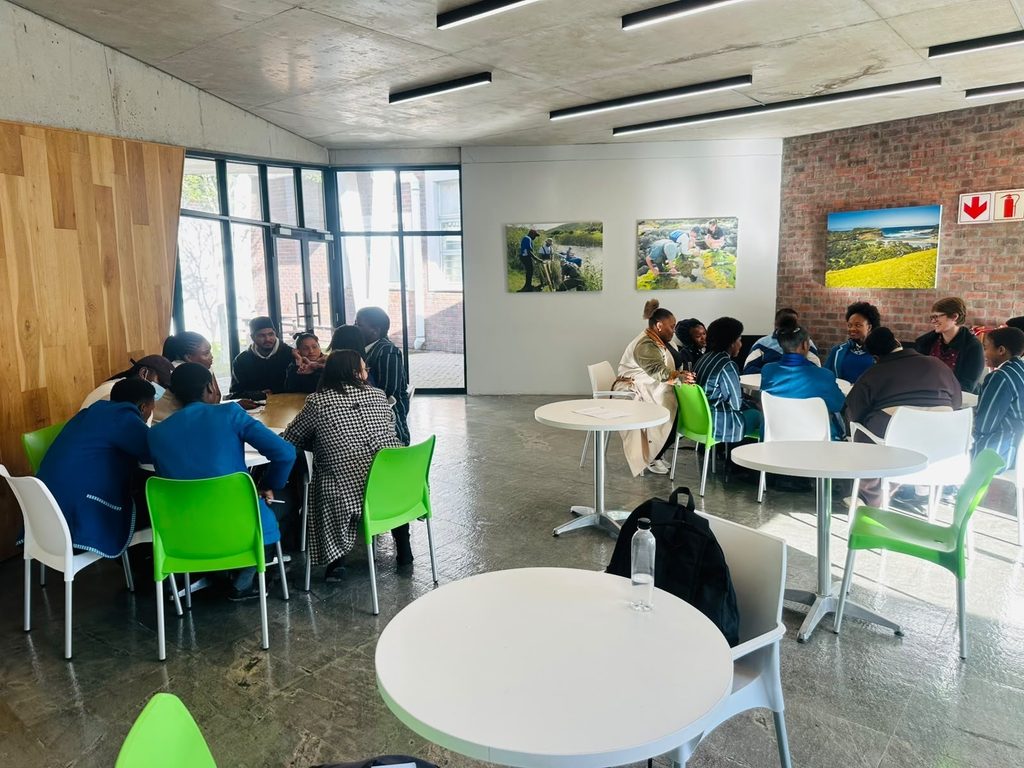
This experience was made possible through a partnership that brought together research, education and science communication. We gratefully acknowledge NRF-SAIAB, NRF-SAEON Biogeochemistry Laboratory, NRF-SAEON Science Communication, Rhodes University, and the Department of Basic Education for creating the space and providing the support that allowed researchers and learners to work side by side.