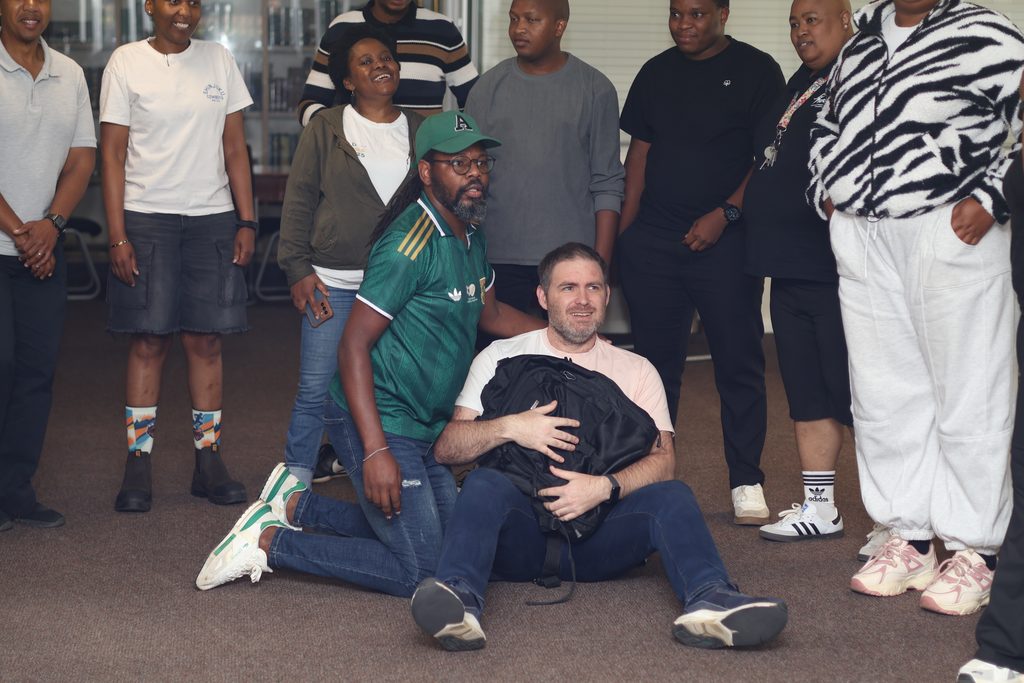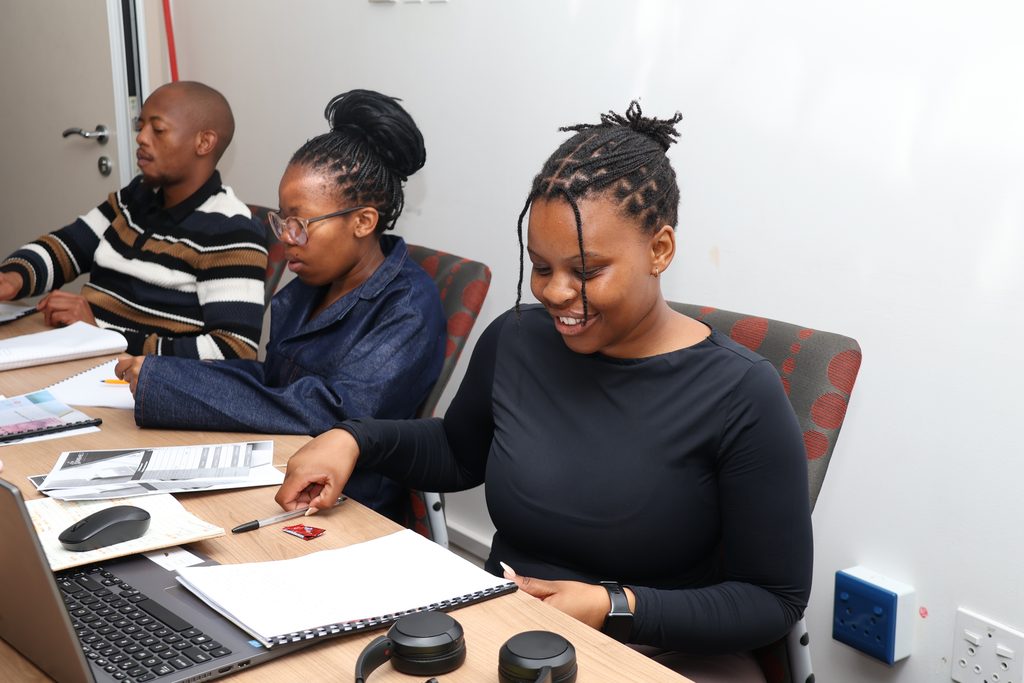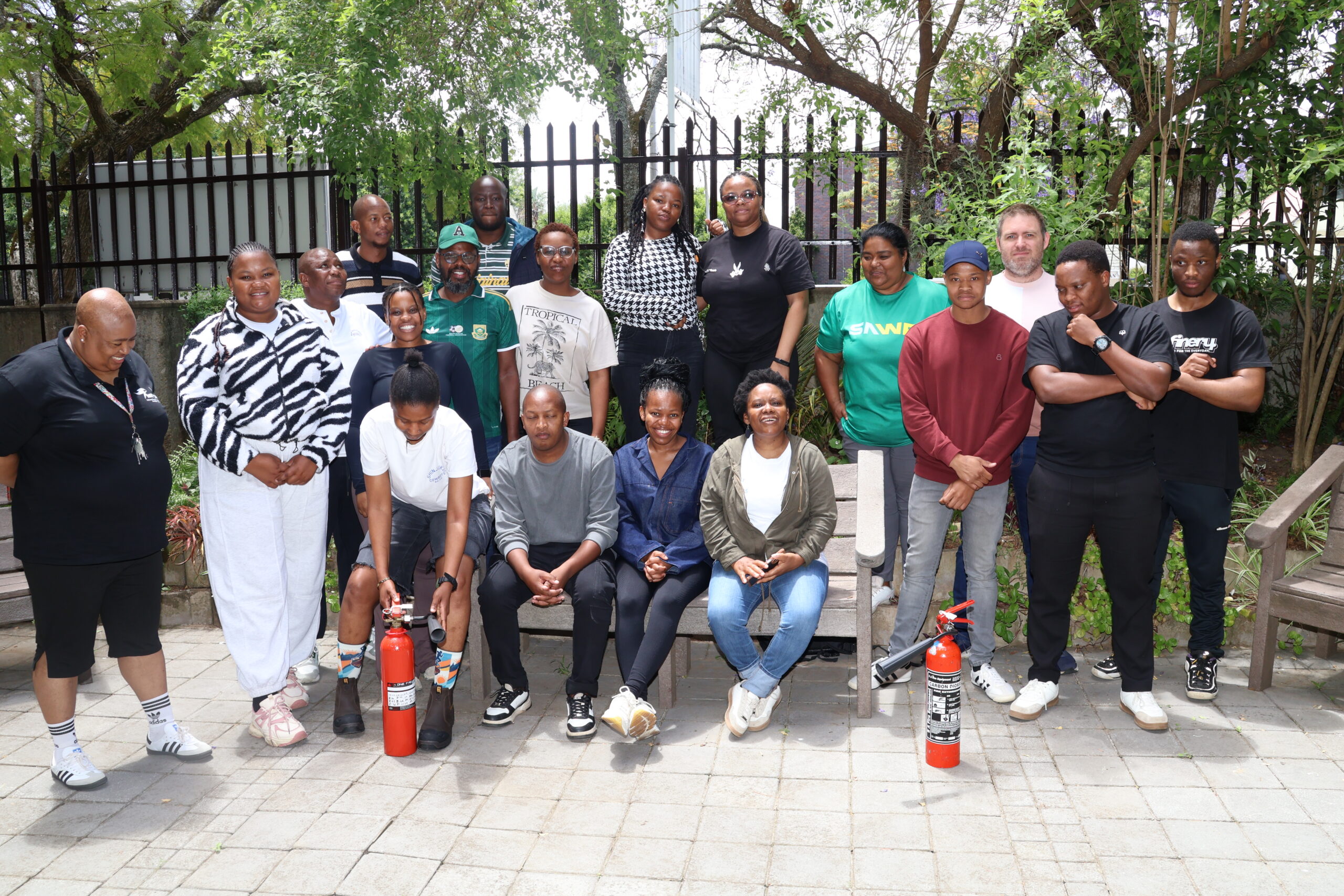
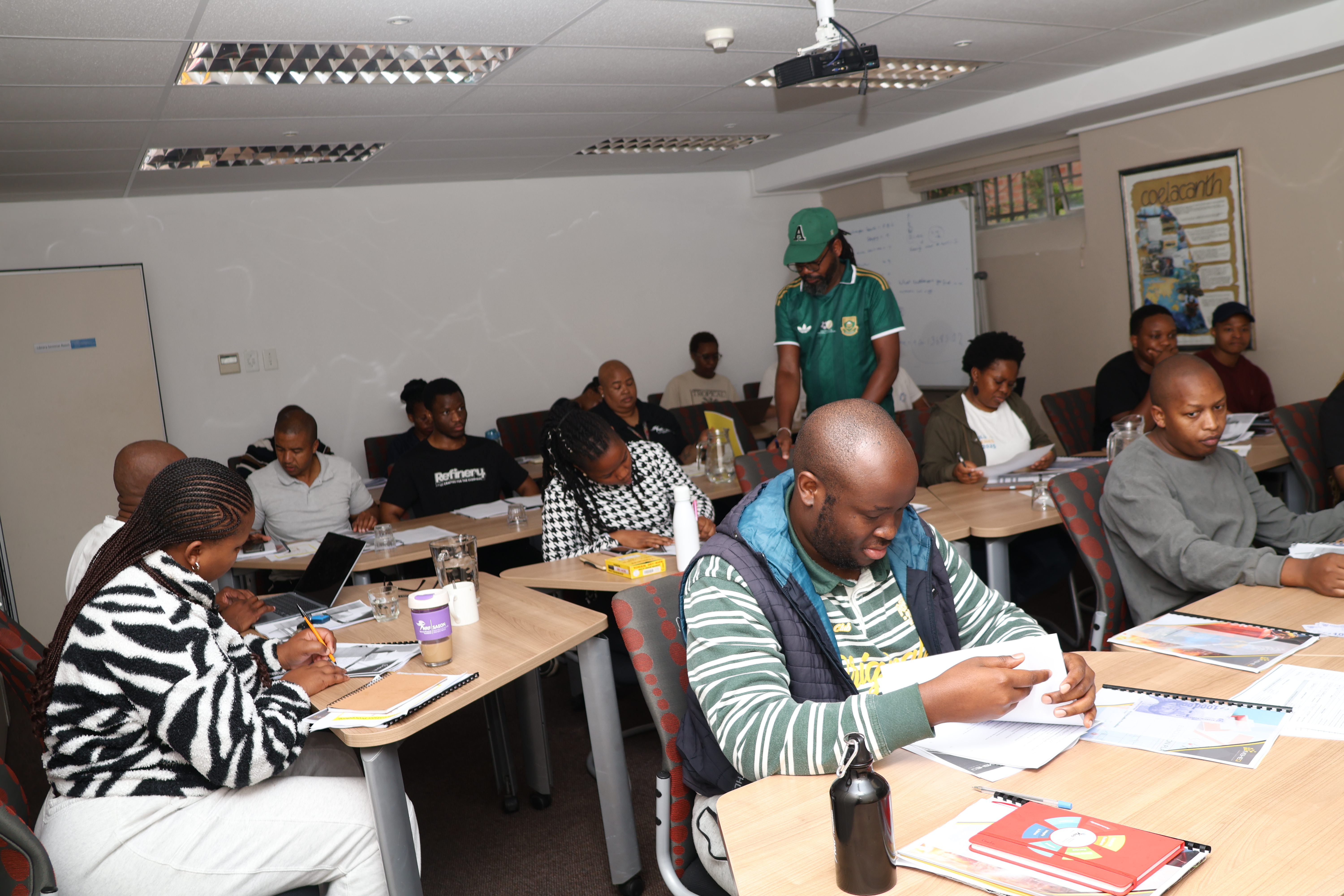
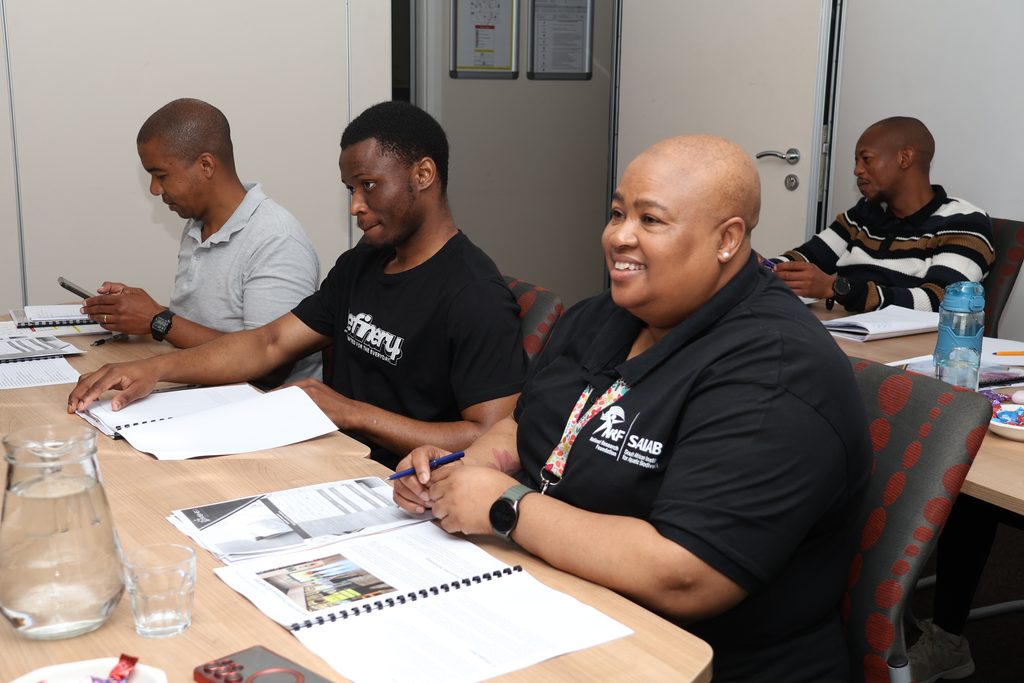
The National Research Foundation – South African Institute for Aquatic Biodiversity (NRF-SAIAB) recently hosted a comprehensive two-day Basic Firefighting and Emergency Preparedness workshop for its staff and interns. Organised by NRF-SAIAB’s Occupational Health and Safety Office and facilitated by Claudia Charles from MSHEQ, the practical training aimed to equip participants with essential life-saving skills, strengthen workplace safety awareness, and reinforce the importance of effective emergency response and structured evacuation procedures.
As a national research facility housing extensive scientific collections, specialised laboratories and a diverse workforce, workplace safety is a key operational priority for NRF-SAIAB. The workshop formed part of the institute’s ongoing efforts to promote a proactive safety culture and ensure that staff and interns are equipped to respond effectively to emergencies. By investing in practical fire safety and evacuation training, NRF-SAIAB strengthens its preparedness to protect both people and institutional assets, while helping to minimise potential disruptions to research activities. The first day of the workshop, held on 11 November 2026, focused on the theoretical aspects of fire safety and emergency preparedness. Participants were introduced to the different classes of fire, common workplace fire hazards, fire prevention principles and the various types of firefighting equipment and their correct use. This was followed by a practical session in which participants identified different types of firefighting equipment and examined the extinguishing agents contained in various fire extinguishers. The session highlighted how different extinguishing agents work and why selecting the appropriate extinguisher is essential when responding to different types of fire.
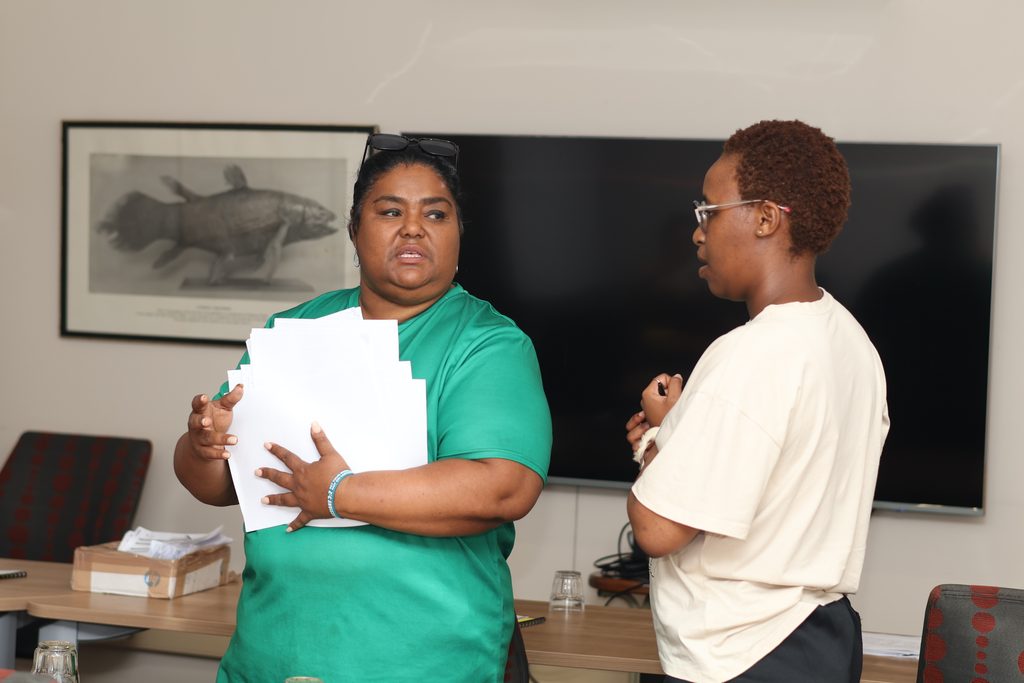
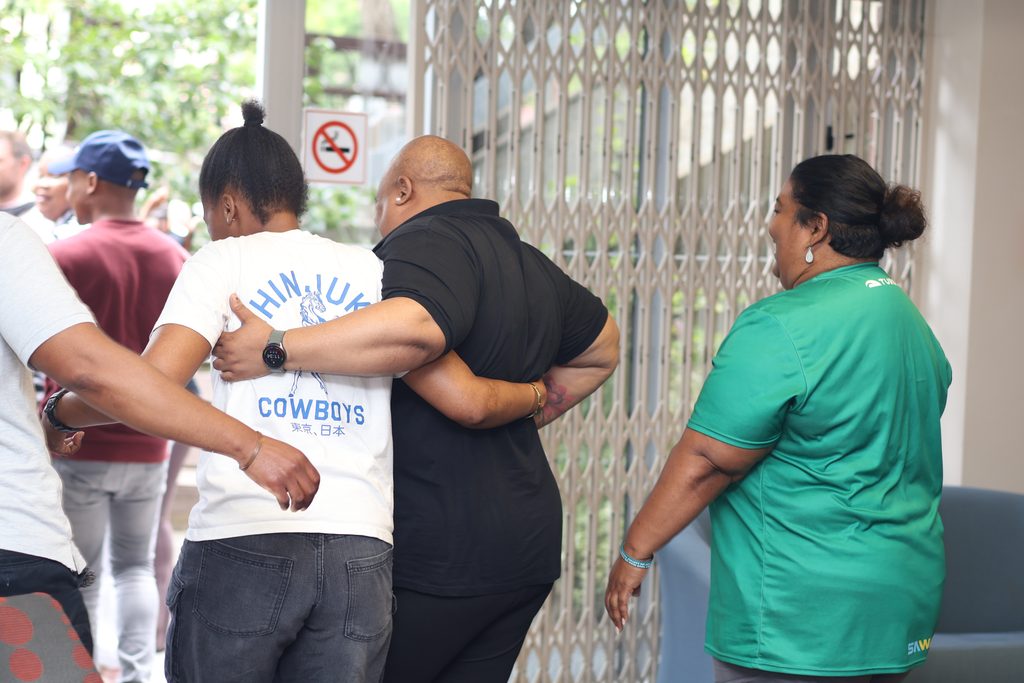
The second day of the workshop, held on 12 November 2026, focused on emergency evacuation procedures, identifying and classifying risk areas and the appropriate response to a bomb threat. Participants were guided through the correct procedures to follow when evacuating a building during an emergency, with particular attention given to assisting individuals who may require additional support, including older persons, people who are visually impaired and pregnant women.
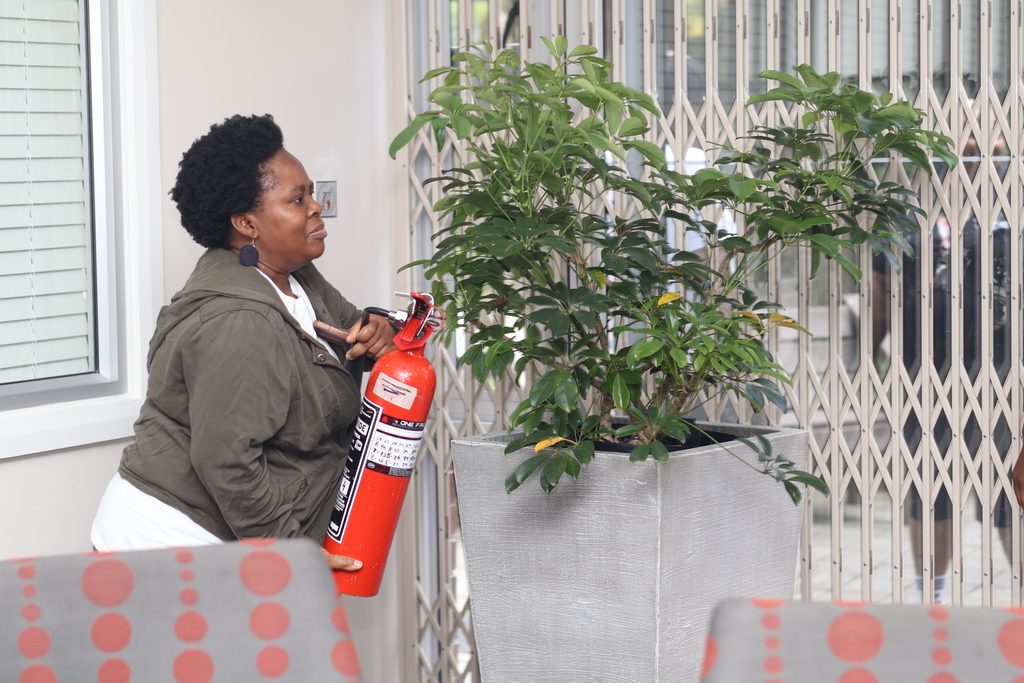
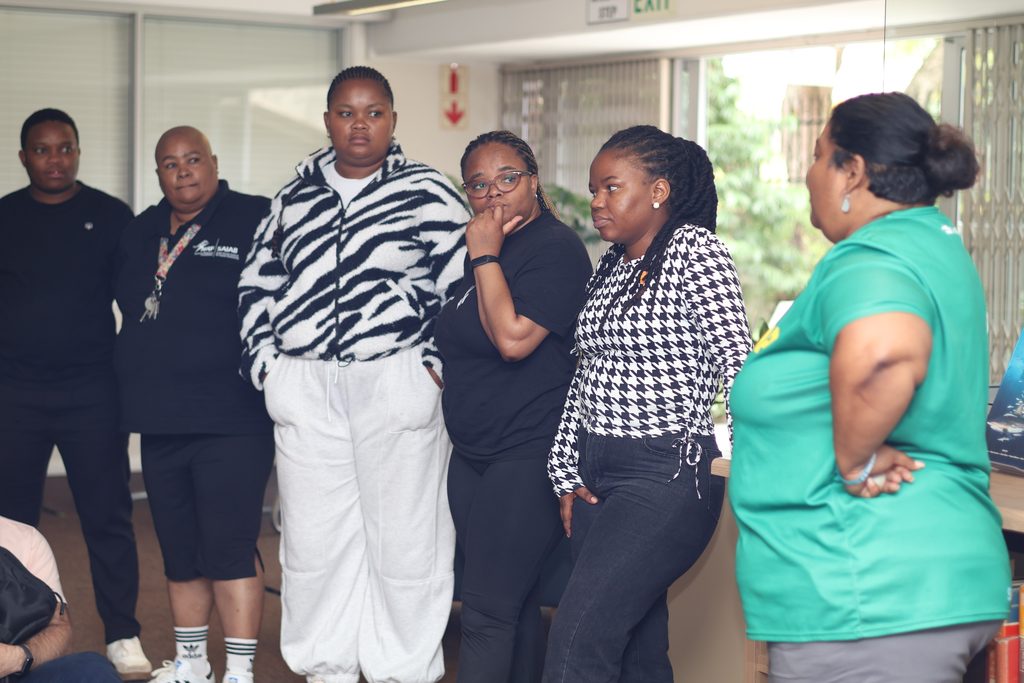
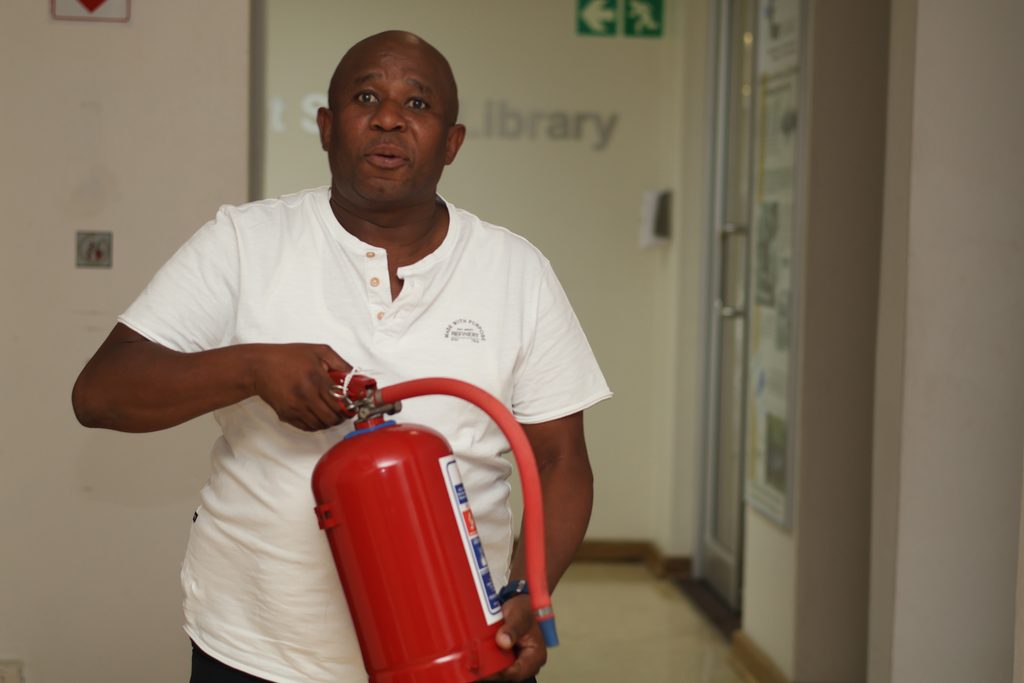
NRF-SAIAB Occupational Health and Safety (OHS) Manager Thabo Siziba explained that the workshop is an important step towards building a proactive safety culture across the institute’s laboratories, offices and specialised research facilities.
He emphasised the importance of ensuring that staff are adequately prepared to handle potential emergencies, particularly given the nature of the institute’s research environment. “Because our facilities house hazardous chemicals and flammable substances, our staff must be equipped to respond calmly and effectively to foreseeable emergencies. We will measure the success of this training not just by attendance, but through practical simulations, competency assessments and ongoing workplace inspections,” he said.
Siziba also stressed that fire safety is a shared responsibility and requires staff to understand their roles and limitations during an emergency. “It is about knowing your limitations, prioritising human life and knowing when to evacuate. Safety is not something we delegate; it is something we practice every day to ensure everyone goes home safely,” he said.
Coastal and Ocean Sciences intern, Lutho Ngcawe, also shared her reflections about the workshop, describing it as an informative and engaging learning experience: “I found the workshop very informative, enjoyable and engaging. It was a great combination of theoretical knowledge and practical activities. I learnt about the fire triangle and fire tetrahedron and how removing one of the elements can help control or extinguish a fire. I also learnt that water is not suitable for all types of fires and that different fire classes require different extinguishing methods”.
Through ongoing occupational health and safety initiatives such as this workshop, NRF-SAIAB continues to strengthen internal capacity, foster a culture of workplace safety and ensure that staff and interns are better equipped to respond to emergencies, while maintaining a safe and resilient environment for scientific discovery.