By Dr Vuyolwethu Mxo
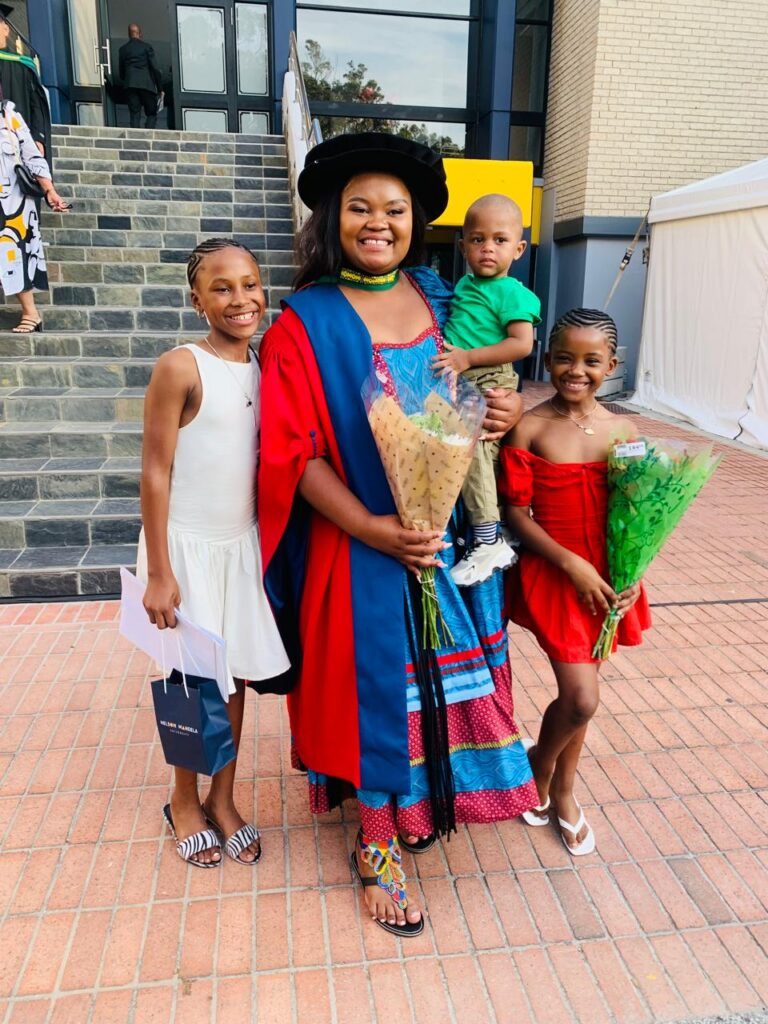
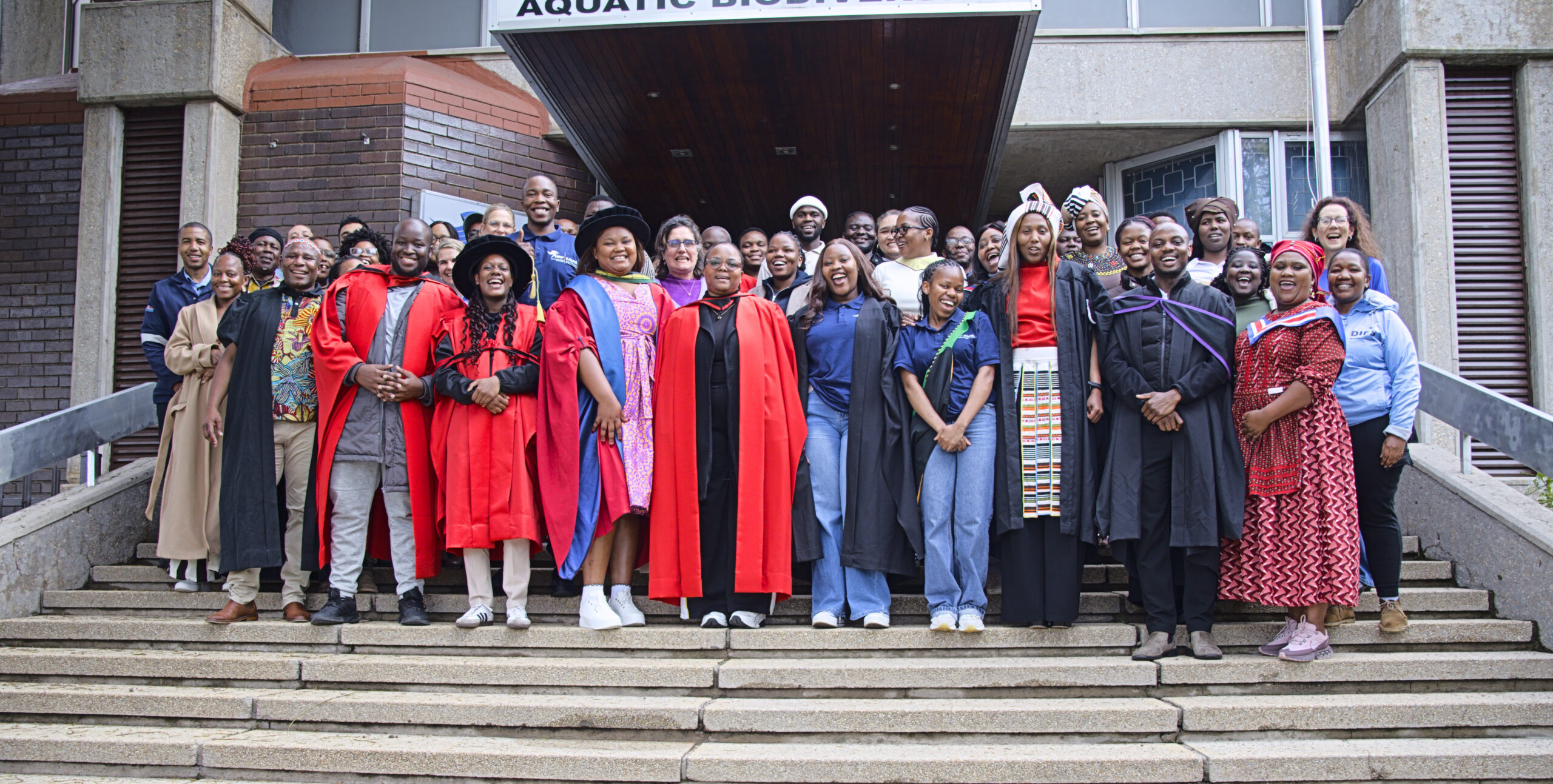
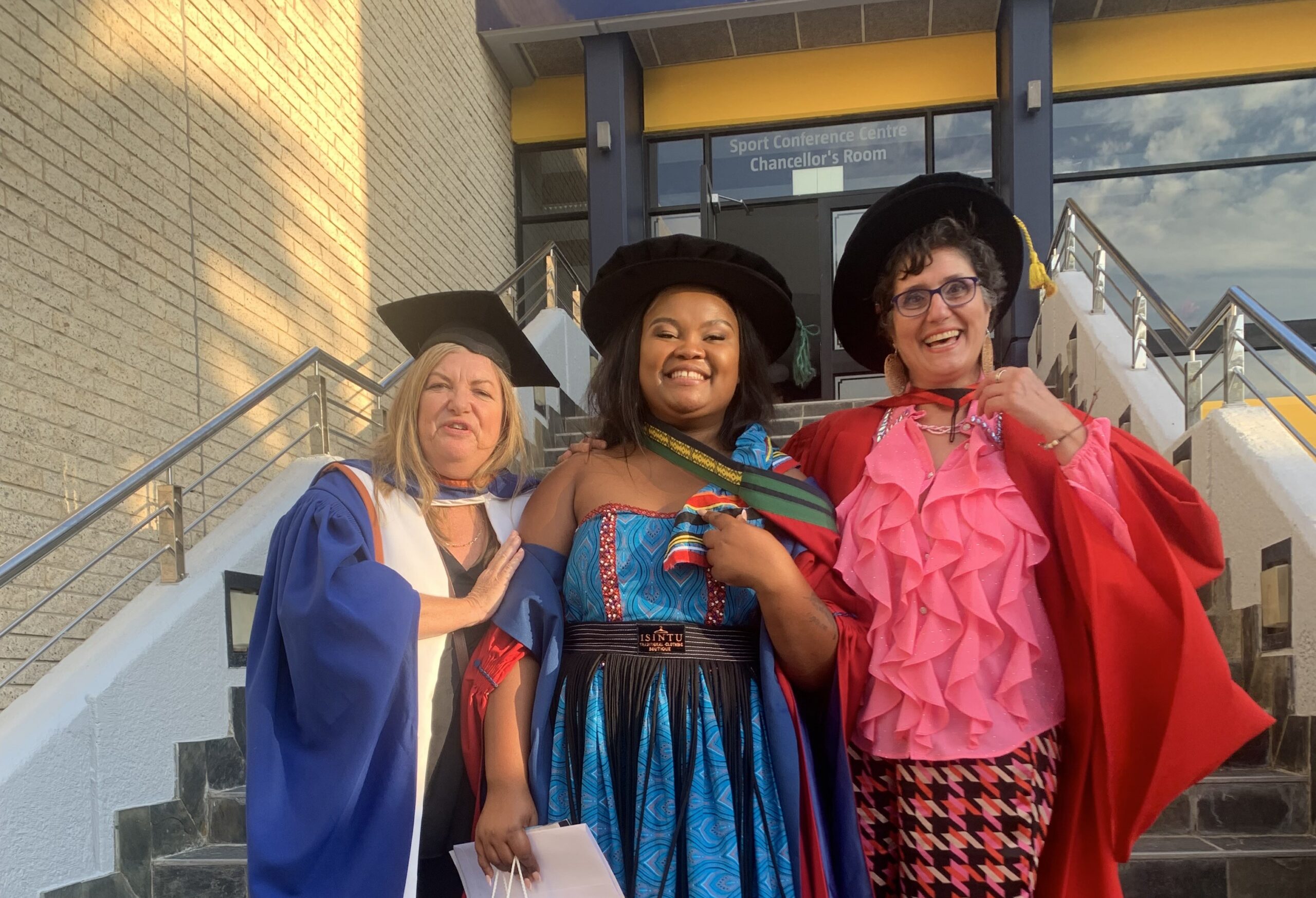
Dr Vuyolwethu Mxo is a member of the Coastal and Ocean Sciences Team (COST) at the South African Institute for Aquatic Biodiversity, working under the supervision of Francesca Porri, in collaboration with Janine Adams at Nelson Mandela University and Rachel Wynberg at the University of Cape Town. She recently completed her PhD in Botany at Nelson Mandela University, graduating on 9 April 2026.
Her doctoral research integrates two core interests: ecological science and cultural heritage. She focused on the ethnobotanically significant species Cyperus textilis (locally known as imizi in the Eastern Cape), which is traditionally used to weave sleeping mats (amakhukho). Her work explored the potential of this species as a nature-based solution for coastal ecological engineering. A key focus of her research was to assess whether imizi could be sustainably cultivated at scale, particularly for use in restoration and eco-engineering applications. To address this, she investigated the growth requirements of imizi, including the feasibility of cultivation under controlled conditions, comparing soil-based systems with recirculating hydroponic approaches. The research also incorporated a strong social science component. She worked closely with local coastal communities to understand their perspectives on the use, harvesting, cultivation, and cultural significance of the species. This engagement reinforced her commitment to conducting research that is not only scientifically rigorous but also socially relevant and responsive to community knowledge systems.
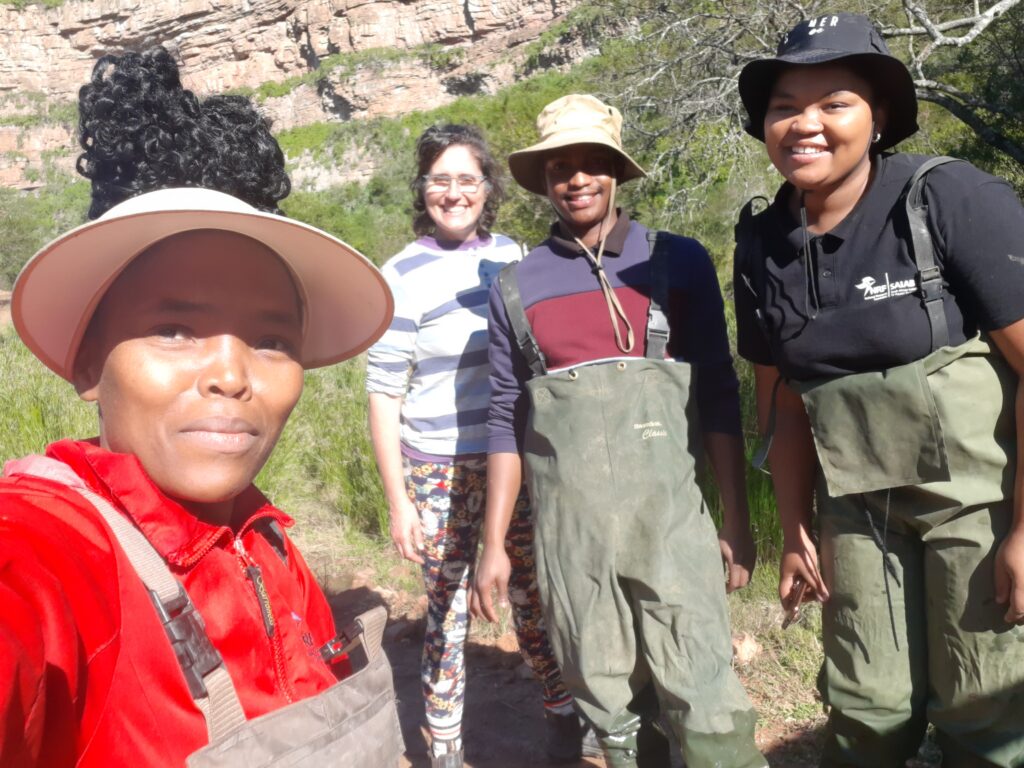
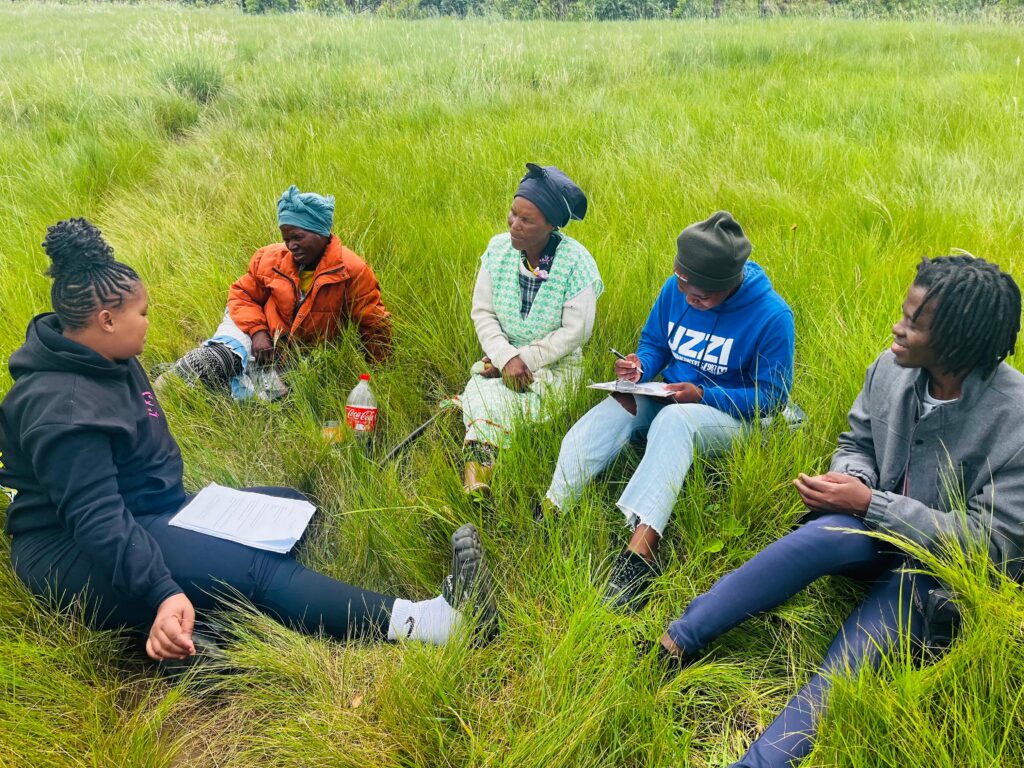
Ecological field surveys and cultivation experiments identified salinity, water, and soil texture as key determinants of imizi plant growth. Hydroponic trials under high nutrient conditions significantly increased culm density and shoot production, demonstrating how agricultural innovation can reduce harvesting pressure on wild populations while strengthening supply chains for craft and restoration industries. Ethnographic research in two coastal Eastern Cape communities reveals dynamic value systems surrounding imizi, in Hamburg it remains sacred and ritually embedded, while in Amadiba it is increasingly integrated into commercial weaving
Her work contributes to a growing body of scholarship that recognises the importance of integrating Indigenous knowledge into environmental management and sustainable development strategies.