By: Lucky Dlamini
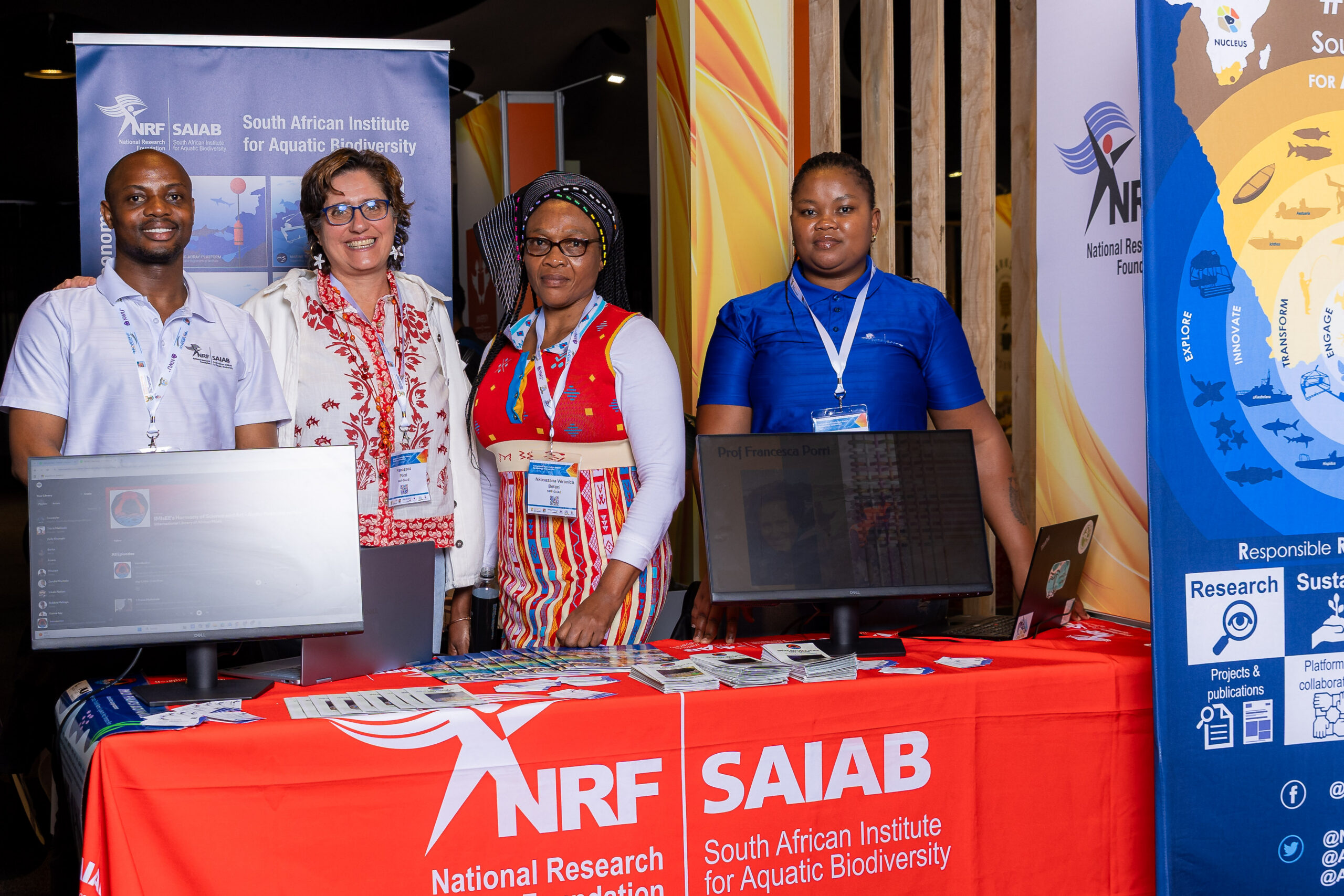
The NRF-South African Institute for Aquatic Biodiversity (NRF-SAIAB) recently participated in the inaugural Indigenous Knowledge (IK)-Based Technology Innovation Investment Summit, held from 2-4 June 2026 at the Birchwood Hotel in Boksburg, where it showcased the innovative IMIsEE Project – a pioneering initiative that combines Indigenous knowledge systems with scientific research to support coastal restoration and biodiversity conservation.
Hosted by the Department of Science, Technology and Innovation (DSTI), the summit brought together Indigenous knowledge holders, researchers, investors, entrepreneurs and policymakers to explore opportunities for advancing Indigenous knowledge-based technologies while promoting South Africa’s rich Indigenous knowledge heritage.
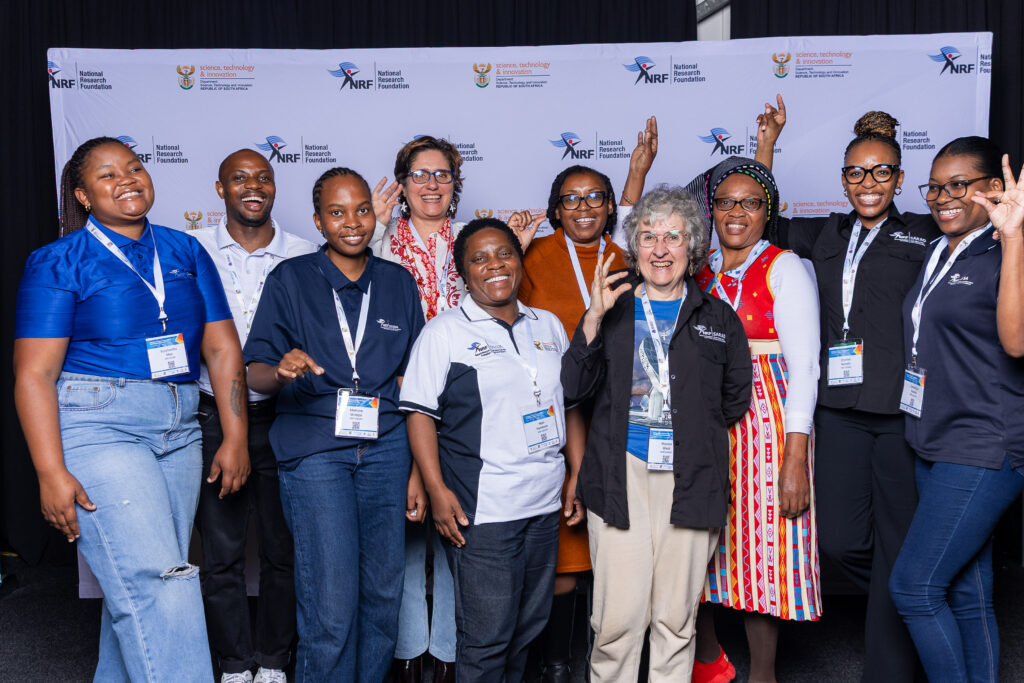
NRF-SAIAB’s participation followed an invitation from NRF-SARAO Commercialisation Specialist, Ms Ofentse Nobela, who identified the IMIsEE Project as a strong example of Indigenous knowledge-based innovation. At the summit, NRF-SAIAB exhibited alongside NRF-SARAO, NRF-SAEON and NRF-SAASTA under a unified NRF exhibition, showcasing the organisation’s collective contribution to research, innovation, science engagement and Indigenous knowledge development.
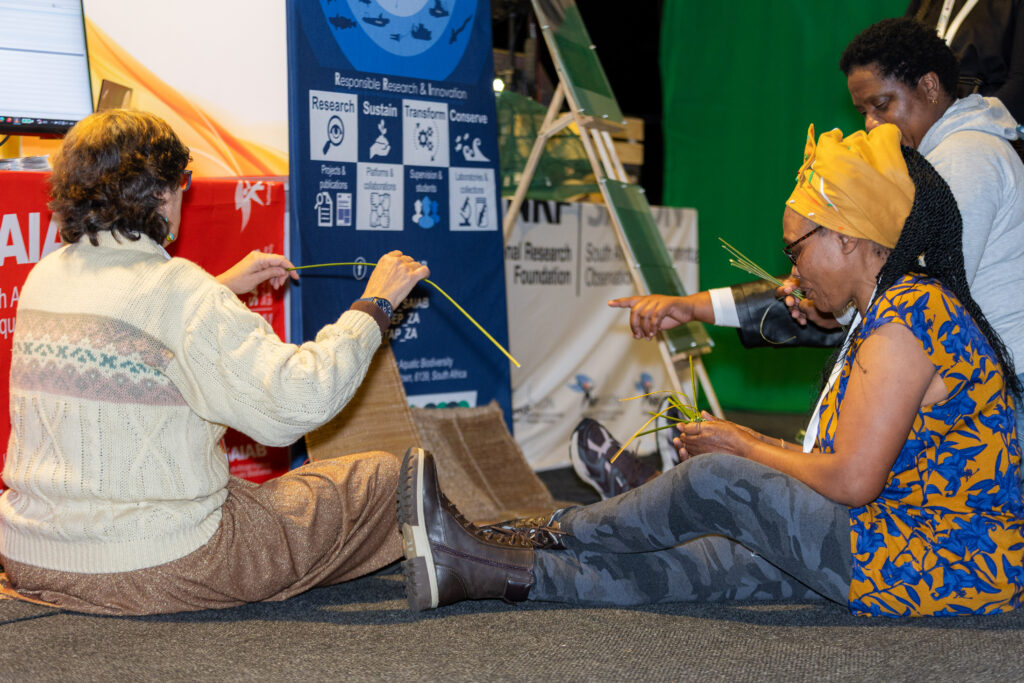
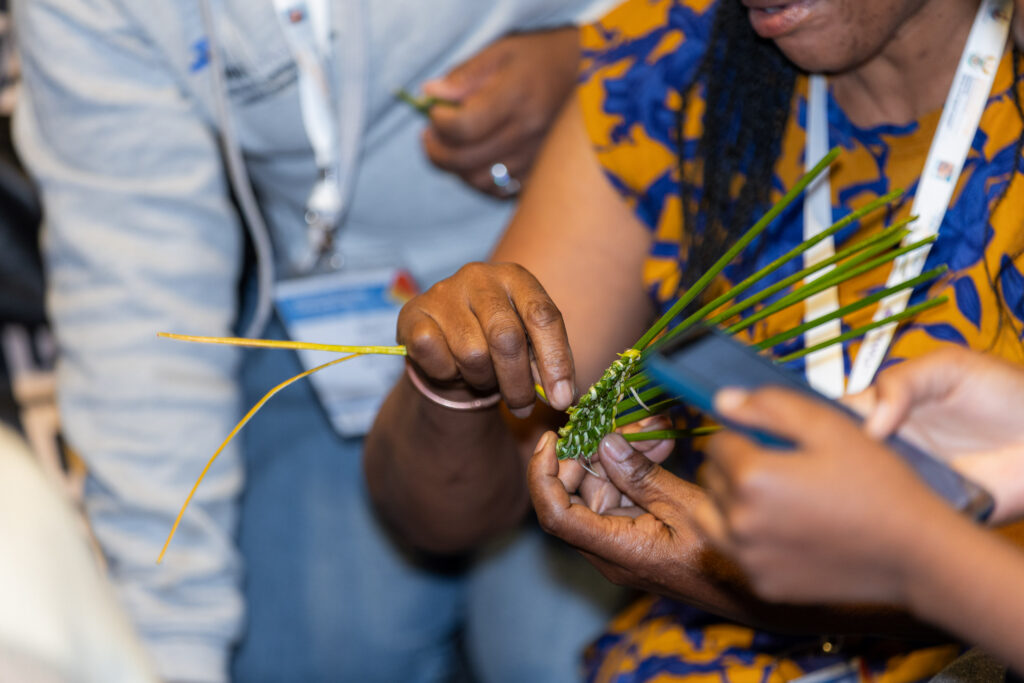
Led by NRF-SAIAB’s Coastal and Ocean Sciences Team (COST), the IMIsEE Project braids traditional African weaving practices, Indigenous Ecological Knowledge, and marine science to restore coastal habitats, enhance biodiversity, and support sustainable livelihoods. A key component of the project is the development of experimental mats made from the culturally important sedge Cyperus textilis (locally known as imizi), which are attached to artificial seawalls to improve coastal resilience. These mats were co-designed through a collaborative process involving researchers and community members from Hamburg in the Eastern Cape.
A highlight of NRF-SAIAB’s exhibition was the participation of Ms Veronika Betani, an Indigenous knowledge holder from Hamburg and a key member of the IMIsEE Project. As an artist, lead embroiderer and head seamstress at the Keiskamma Trust, Betani played an important role in weaving the imizi-based structures used in the project.
Reflecting on her experience at the summit, Betani welcomed the growing recognition of Indigenous Knowledge Systems.
“As an indigenous knowledge holder, seeing others like me at the summit made me feel seen. Finally seeing DSTI put Indigenous knowledge on the agenda, talking about commercialisation, investment and protection, was important. My knowledge is not just tradition – it is treated as innovation, science and part of the economy,” she said.
She also stressed the importance of ensuring that Indigenous knowledge holders remain central to innovation processes.
“Researchers need to put Indigenous knowledge holders as co-authors, co-investors and co-decision makers. The goal should not only be to commercialise Indigenous knowledge, but to strengthen Indigenous knowledge holders and communities while creating value for everyone.”
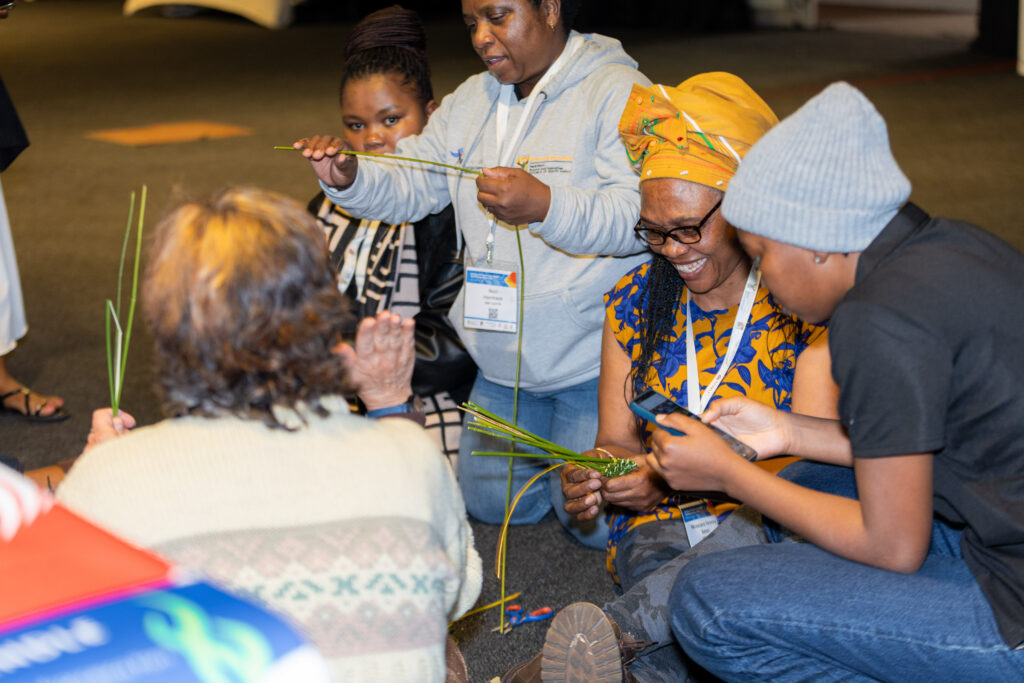
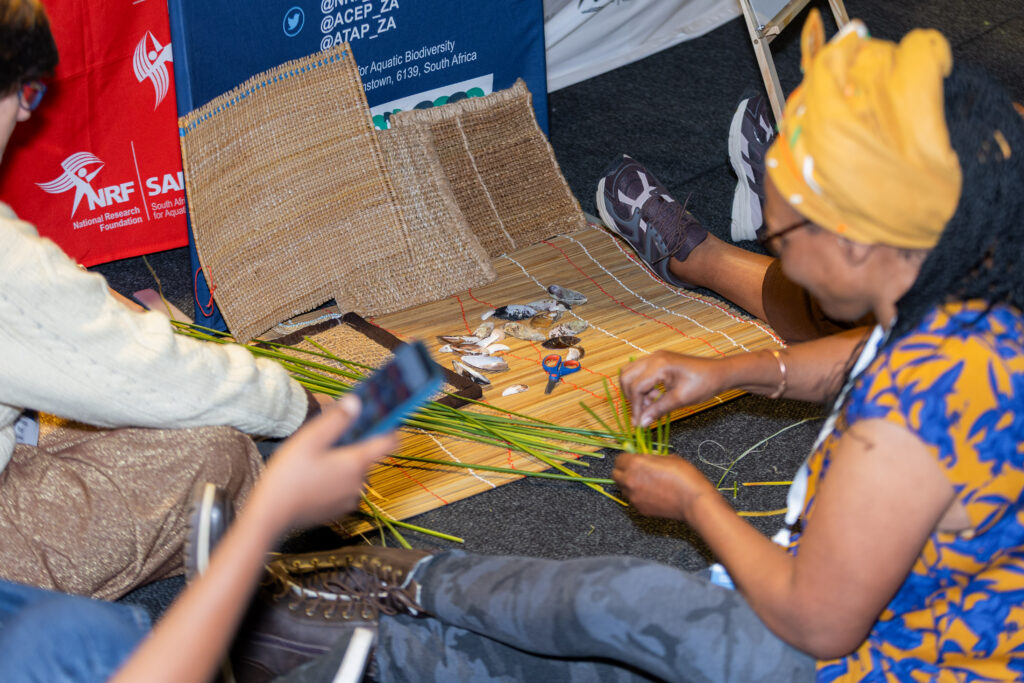
The exhibition also featured Dr Vuyolwethu Mxo, a recent PhD graduate from the IMIsEE Project whose research focused on transdisciplinary approaches to coastal restoration. Dr Mxo engaged with students, researchers and policymakers throughout the summit, sharing her experiences of weaving Indigenous Knowledge Systems into marine science research.
“Seeing my research showcased was both an honour and a validation of the work I am passionate about. What was particularly rewarding was seeing that the research could be understood and appreciated by a diverse audience, including Indigenous knowledge holders, community members, business representatives, policymakers and government officials.”
Dr Mxo highlighted the importance of greater collaboration between scientists and local communities. Stating that:
“Traditional Ecological Knowledge is just as valuable as scientific knowledge. By working together, scientists and communities can co-produce knowledge that is more relevant, inclusive and impactful.”
The project was further represented by IMIsEE Principal Investigator, Professor Francesca Porri, who engaged with stakeholders from government, academia and industry, including DSTI Acting Deputy Director-General: Technology Innovation, Dr Kenny Tenza.
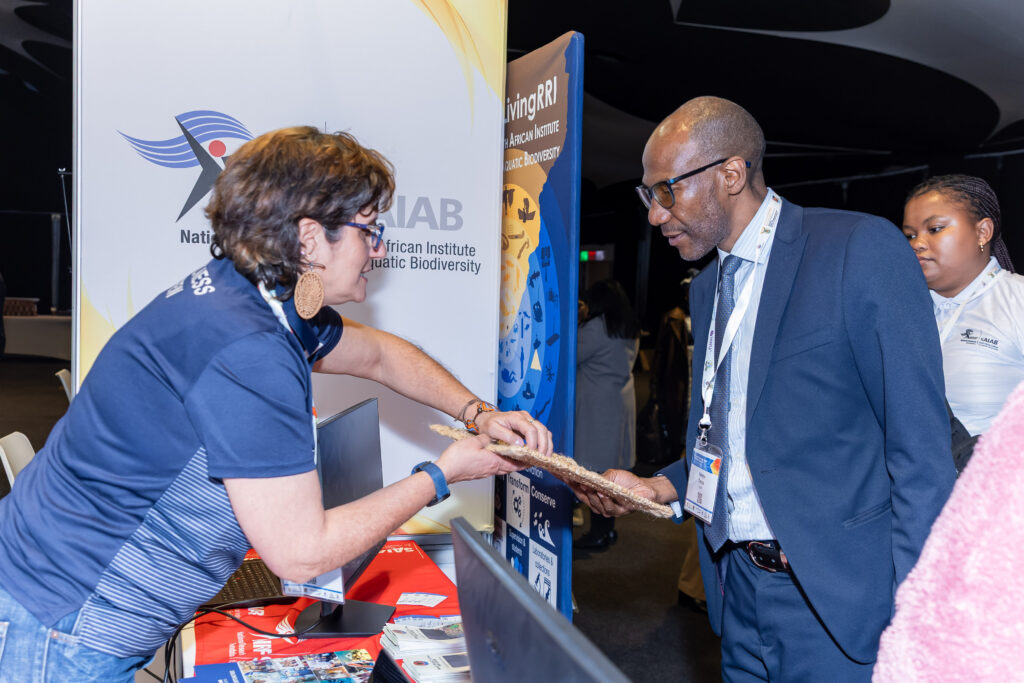
According to Prof. Porri, the summit provided an important platform to demonstrate how Indigenous knowledge can contribute to environmental restoration and innovation.
“This was one of the few opportunities to showcase what we do to various investors and demonstrate that the research we have undertaken is truly transdisciplinary, where there is a direct partnership with communities.”
She noted that the IMIsEE Project offered a unique perspective at a summit largely focused on pharmaceutical, nutraceutical and cosmetic applications of Indigenous knowledge.
“We were able to demonstrate that Indigenous knowledge, science and innovation can contribute to restoration and environmental sustainability. Many delegates were interested because this application of Indigenous knowledge is not often showcased.” Prof. Porri added that the project’s success has been built on equitable partnerships and benefit-sharing arrangements established from the outset.
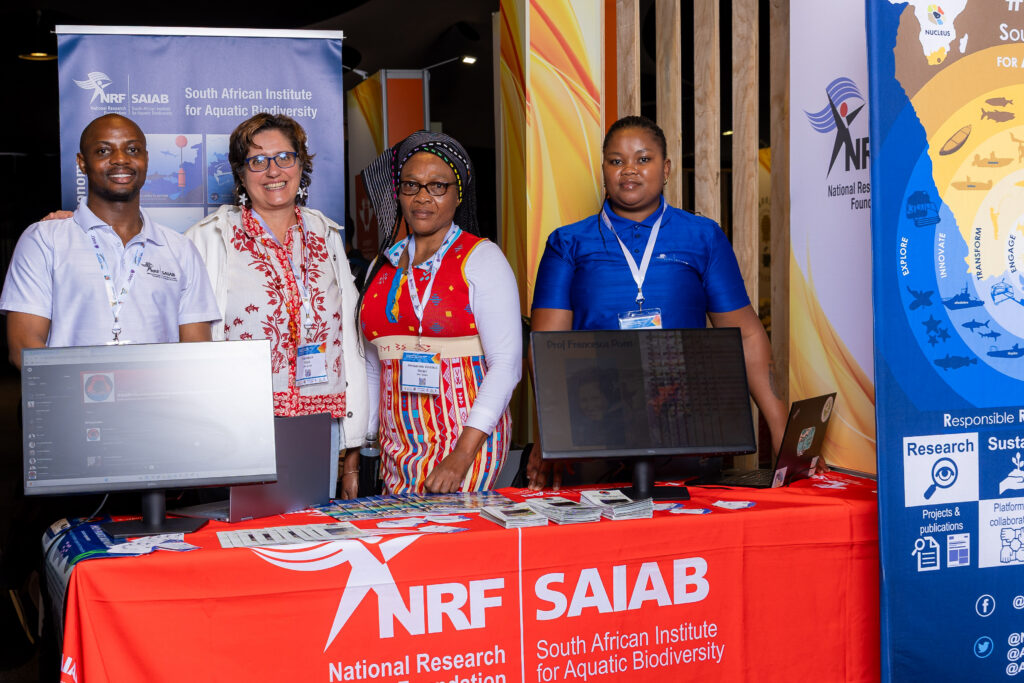
NRF-SAIAB’s participation in the summit reflects the Institute’s commitment to advancing innovative, inclusive and socially responsive research that recognises the value of Indigenous knowledge systems alongside scientific knowledge. The IMIsEE Project continues to demonstrate how meaningful collaboration between scientists and communities can create solutions that benefit both people and the environment.