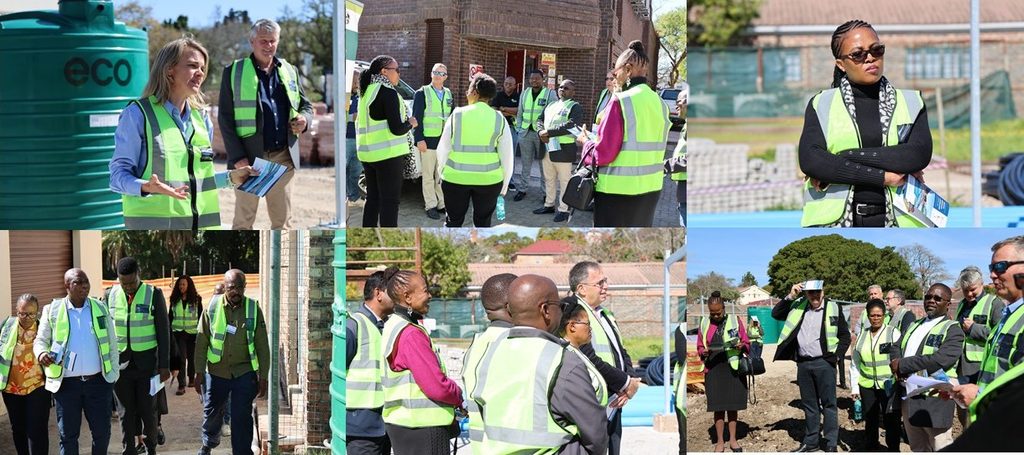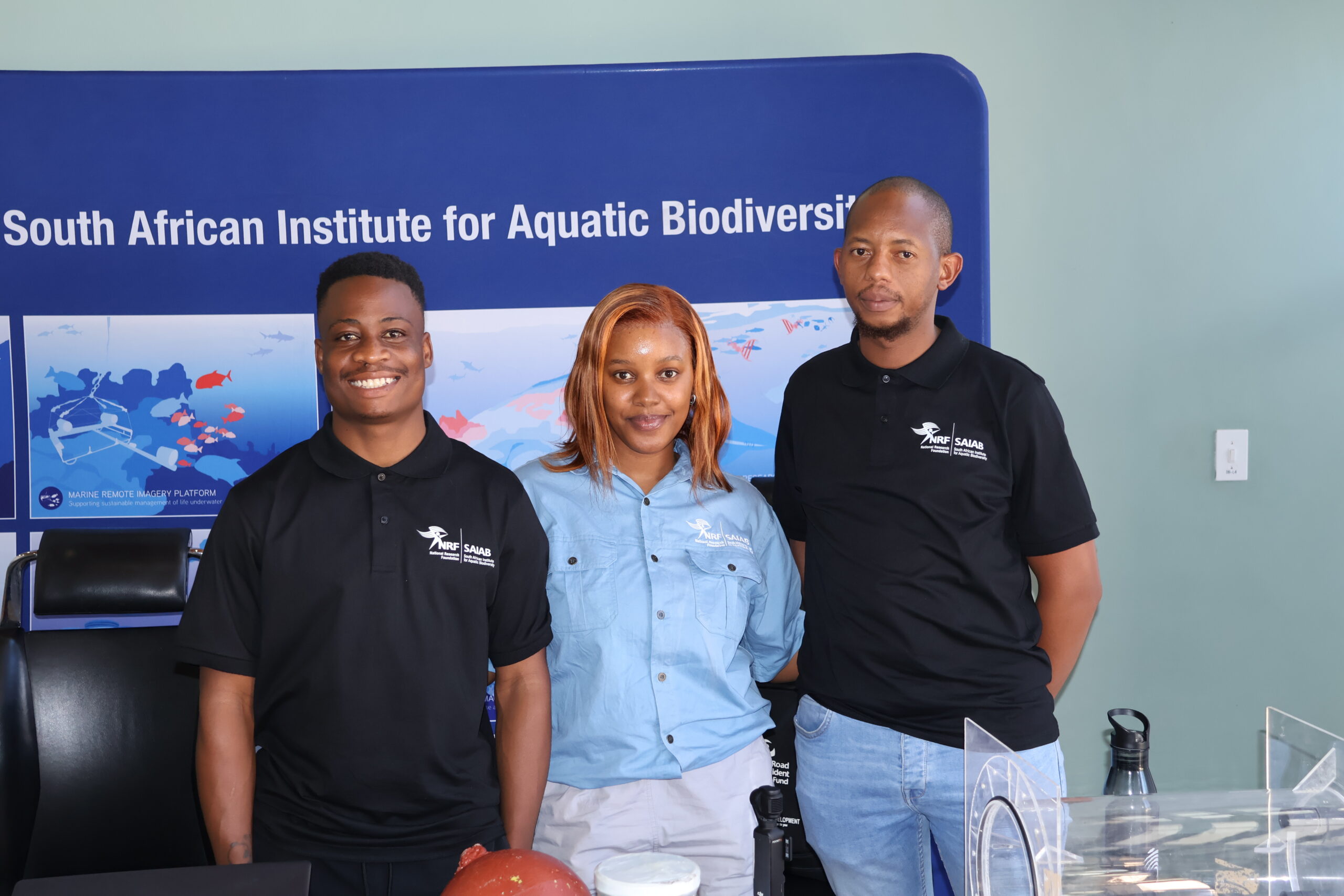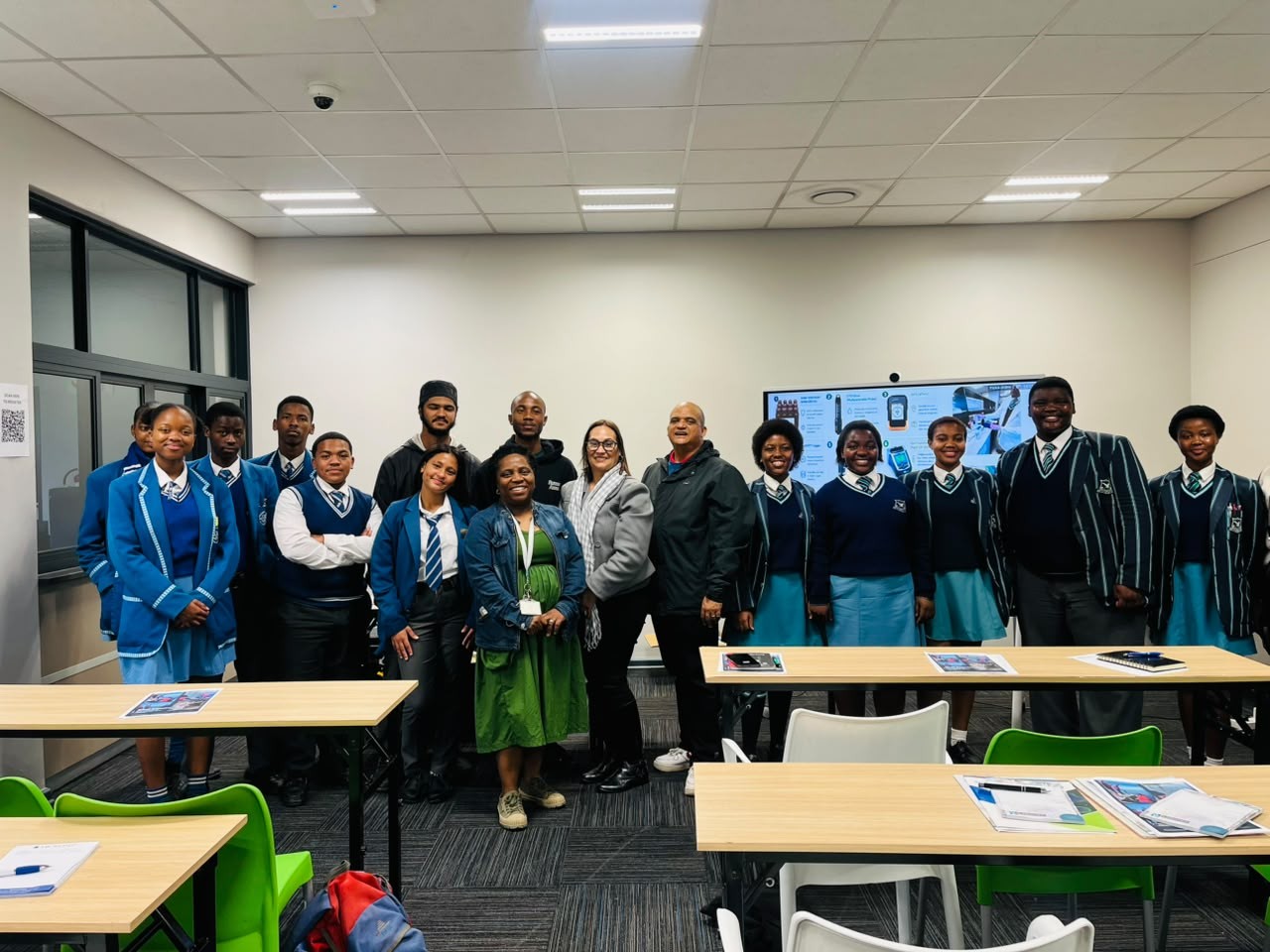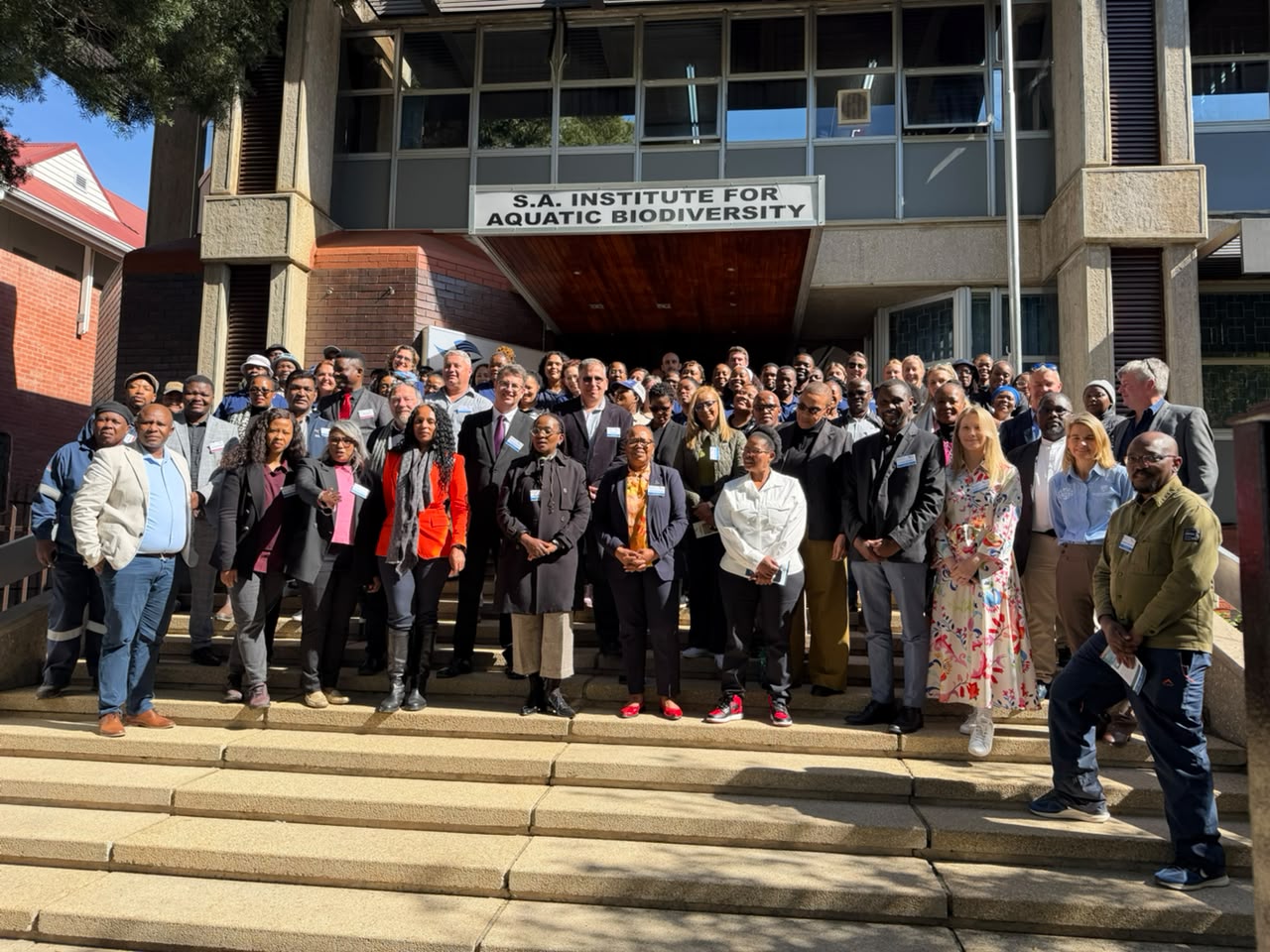
NRF-SAIAB recently welcomed the NRF Board, Corporate Executives (CORPEX) and senior managers to its Makhanda campus, providing an opportunity for the delegation to experience first-hand the science, innovation, people and infrastructure that underpin the Institute’s contribution to South Africa’s aquatic biodiversity and Blue Economy.
The visit, held on Thursday 20 and Friday 21 August 2026, formed part of the NRF Board’s Strategy Session hosted at one of the NRF’s Business Units. For NRF-SAIAB, the engagement presented a valuable opportunity to showcase the breadth of its work to senior NRF leadership, while giving the Board an opportunity to meet the people behind the Institute’s research and innovation.
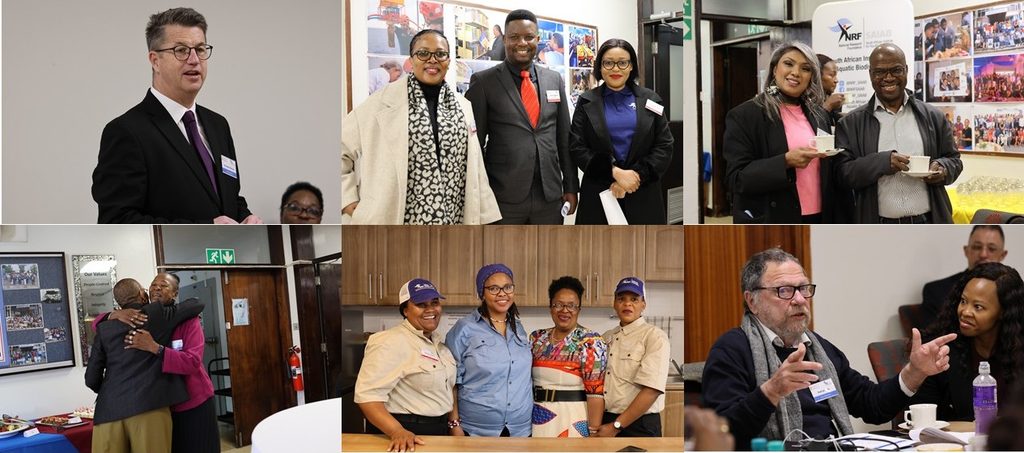
Following a welcome and institutional overview led by the Institute’s Managing Director, Professor Albert Chakona, the delegation was taken through an interactive showcase of NRF-SAIAB’s research platforms and research groups. Rather than a conventional series of PowerPoint presentations, the Institute created an exhibition-style experience that brought its science to life.
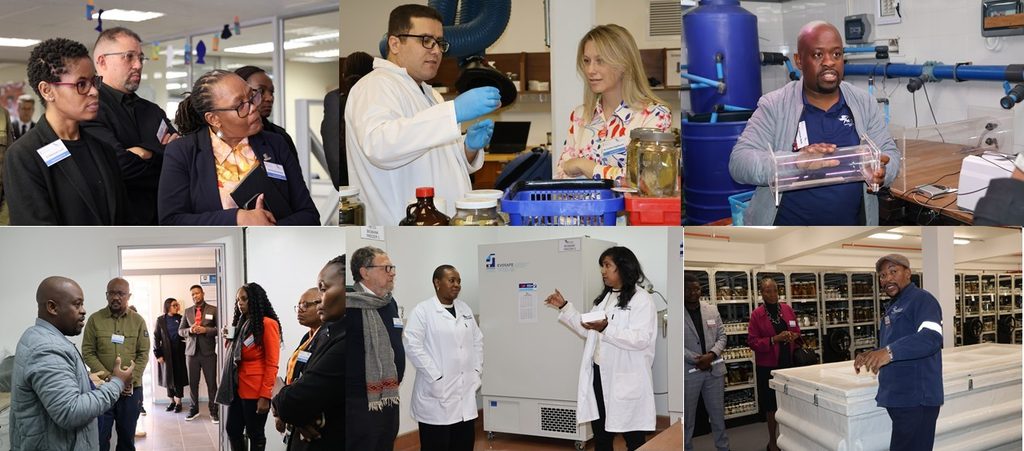
Each platform and research group had an opportunity to showcase the innovative equipment, technologies and tools used in their work, explain the science and stories behind their research, and engage directly with members of the delegation. Researchers, students, interns and technical staff were on hand to demonstrate their work and share insights into how their research contributes to understanding, protecting and sustainably managing South Africa’s aquatic environments and resources.
This hands-on approach provided the delegation with a unique window into the Institute’s scientific capabilities. The showcase brought to life the breadth of NRF-SAIAB’s research, from aquatic genomics, remotely operated vehicles, Stereo Baited Remote Video Systems and deep-water landers to acoustic telemetry, ecological engineering, transdisciplinary research and ecophysiology, alongside the collections and biodiversity resources housed within the National Collection Facility and Biobank. Together, these showcased the diversity, innovation and sophistication of research undertaken at NRF-SAIAB.
Importantly, the exhibition was not only about the equipment and scientific outputs. It placed NRF-SAIAB’s people at the centre of the experience, allowing Board members, CORPEX and senior managers to meet researchers, platform managers and staff, hear directly about their work and understand the passion and expertise that drive the Institute’s research.
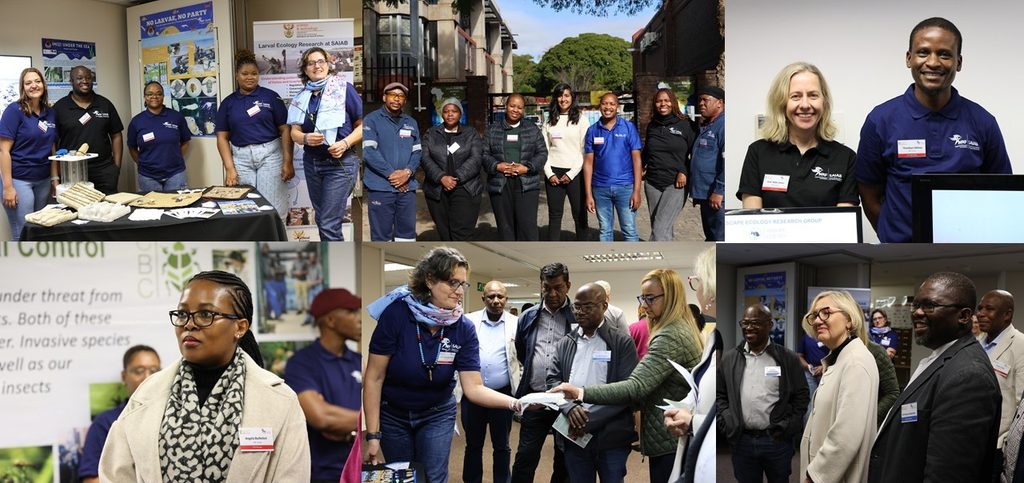
The engagement continued with a guided institutional site visit, taking delegates through key facilities including the National Collection Facility and Biobank, Aquatics Genomics Research Platform, Aquatic Ecophysiology Research Platform and the developing aquaculture facilities.
The site visit offered a further opportunity to demonstrate how NRF-SAIAB’s scientific mandate is translated into research, training, knowledge generation and support for the sustainable use and management of aquatic resources.
For NRF-SAIAB, the visit was therefore more than an opportunity to showcase its facilities. It was an opportunity to tell the story of the Institute through its science, its innovation and, most importantly, its people.
Hosting the NRF Board and senior leadership also created space for meaningful engagement around NRF-SAIAB’s current achievements, strategic priorities, future opportunities and the role the Institute can continue to play in advancing the NRF’s broader strategic objectives.
The visit demonstrated the value of bringing NRF leadership closer to the work taking place across its Business Units. By experiencing NRF-SAIAB’s research first-hand and engaging directly with the people delivering it, the delegation gained a deeper appreciation of the Institute’s contribution to the national science, technology and innovation system.
For NRF-SAIAB, it was an opportunity to seize the moment: to open its doors, tell its story and showcase the people, science and innovation behind an Institute working to better understand and protect South Africa’s aquatic biodiversity.