By Dr Vuyolwethu Mxo
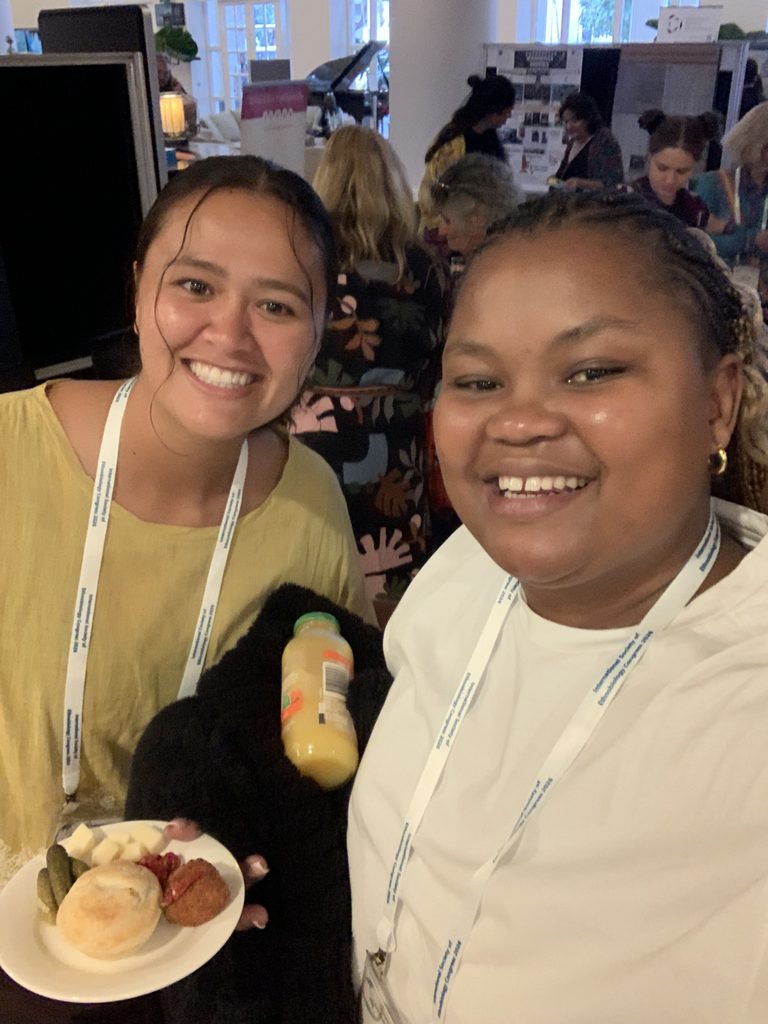
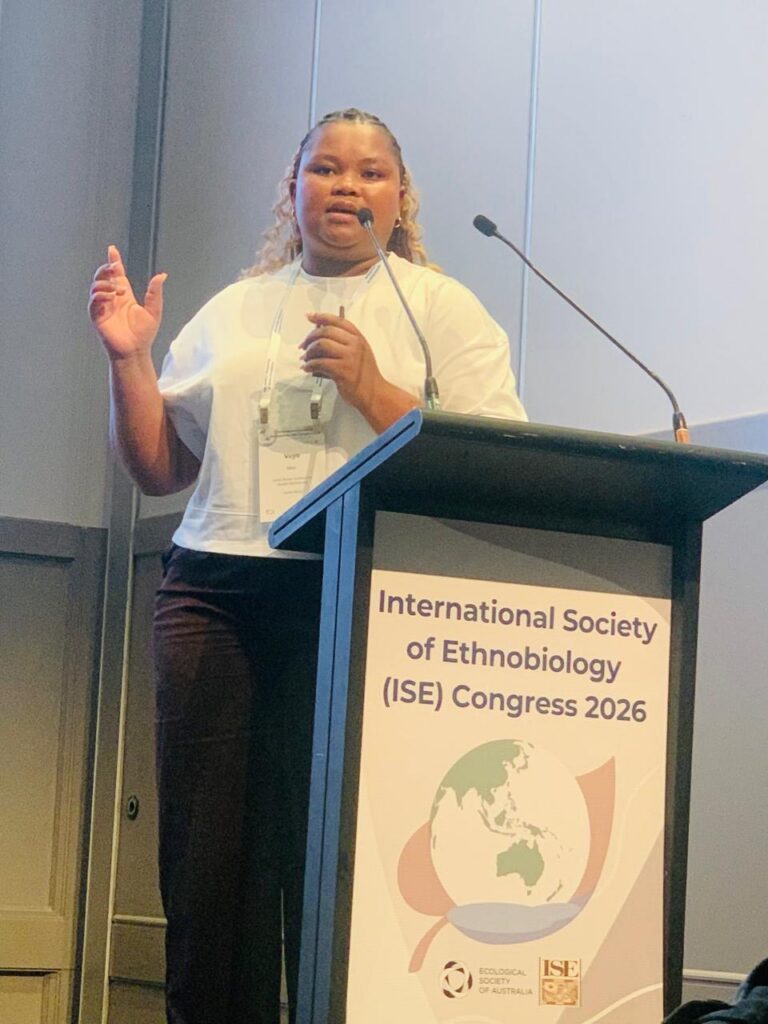
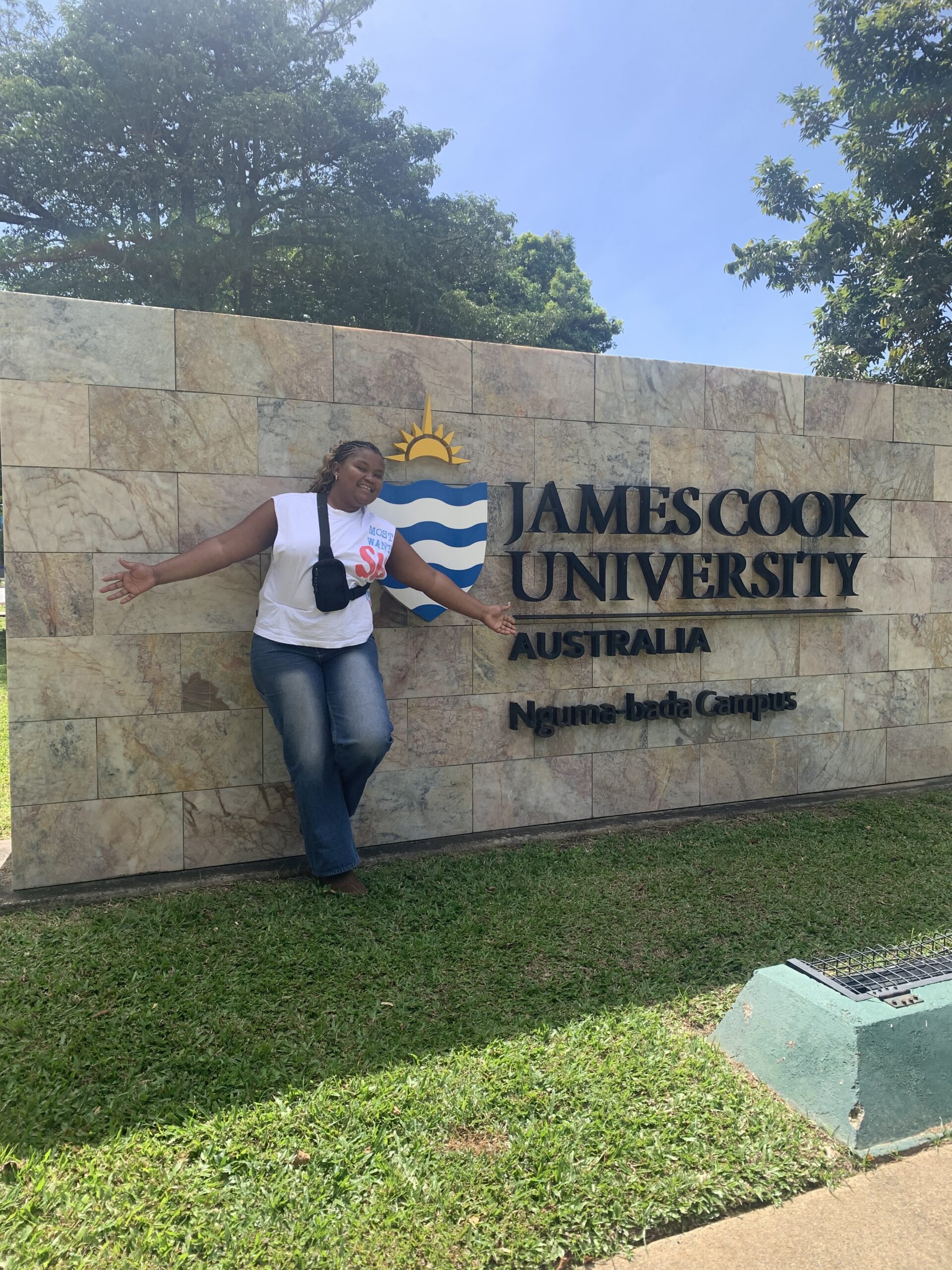
NRF-SAIAB PDP Postdoctoral Research Fellow Dr Vuyolwethu Mxo represented NRF-SAIAB at the International Society of Ethnobiology (ISE) Congress 2026, held in Cairns, Queensland, Australia, from 26–29 July under the theme “Indigenous and Local Knowledge Connections: Honouring Heritage and Innovation.” The congress brought together approximately 350 researchers, Indigenous knowledge holders, community leaders, conservation practitioners and policymakers from around the world to explore the role of Indigenous and local knowledge in addressing environmental and social challenges.
On 27 July, Dr Mxo presented her PhD research, “Integrating technology and Indigenous biocultural knowledge for sustainable cultivation and cultural revitalisation of Cyperus textilis,” highlighting how scientific innovation and Indigenous knowledge can be combined to support the sustainable use of C. textilis, biodiversity conservation, livelihoods and the revitalisation of traditional weaving practices. Her presentation generated discussion around engaging younger generations and creating awareness of the cultural and economic opportunities associated with Indigenous plant resources.
Beyond presenting her research, the congress provided valuable opportunities to build international networks and explore future collaborations in biocultural conservation, ecosystem restoration and community-engaged research. Dr Mxo also gained important insights into Indigenous-led conservation, biocultural restoration, community-based resource management and social-ecological approaches.
A key lesson from the congress was the importance of moving beyond simply “integrating” Indigenous knowledge with science towards approaches that recognise Indigenous knowledge systems as equally valuable and place communities at the centre of research and decision-making. The experience will inform Dr Mxo’s ongoing postdoctoral work and strengthen SAIAB’s commitment to collaborative, community-centred approaches to aquatic biodiversity conservation and sustainable environmental management.