By: Dr Kaylee Smit (RIPP Postdoctoral Researcher Fellow, NRF-SAIAB)
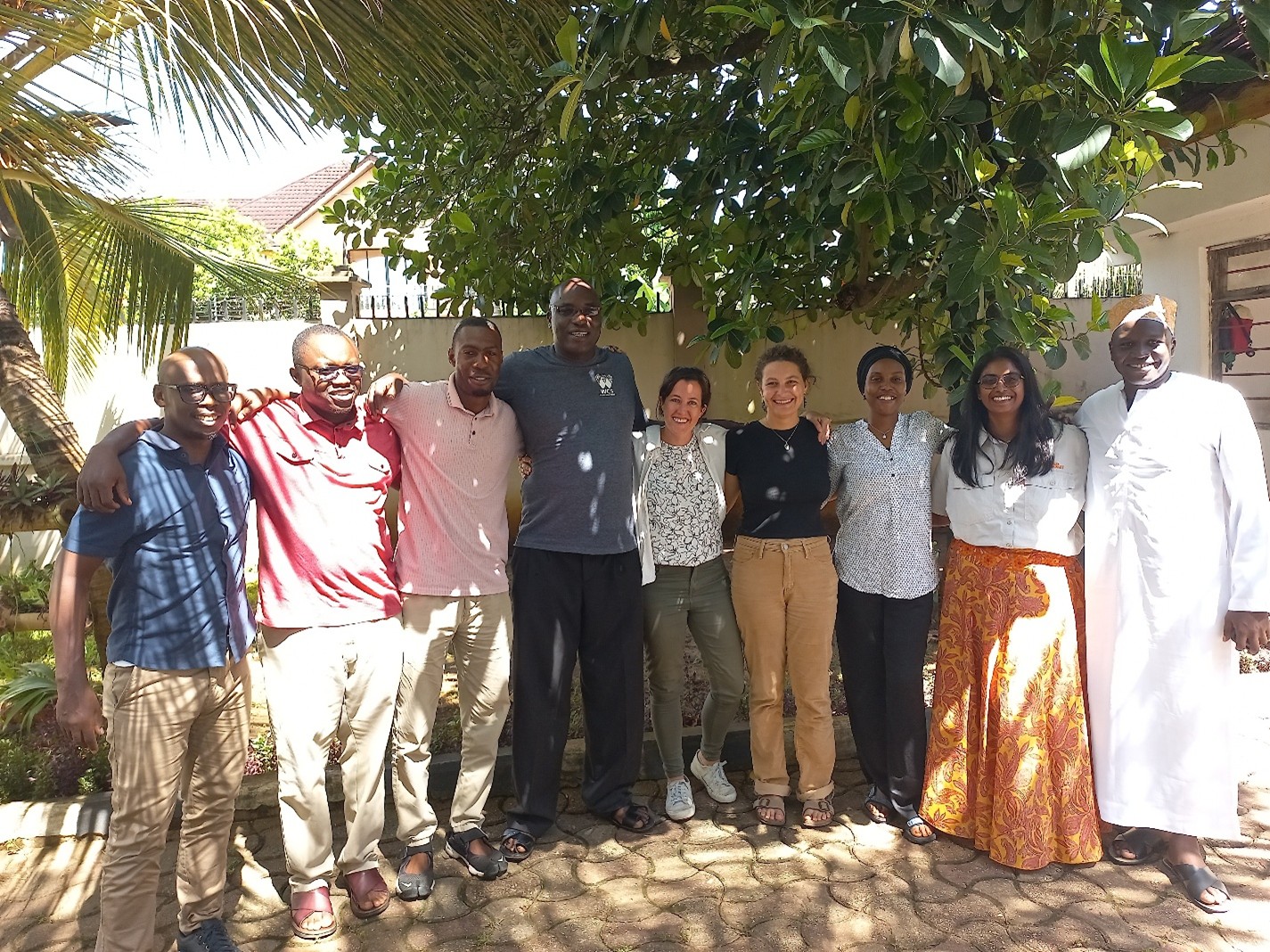
South Africa continues to strengthen its role as a hub for marine science capacity development across the Western Indian Ocean (WIO). From 27 to 29 April 2026, the NRF-South African Institute for Aquatic Biodiversity (NRF-SAIAB), through its Marine Remote Imagery Platform (MaRIP), convened a WIO Regional BRUVs Workshop in Zanzibar, Tanzania. The workshop was funded through the National Research Foundation’s (NRF) Knowledge Interchange and Collaboration (KIC) Africa Interaction grant and co-hosted by the Wildlife Conservation Society (WCS) Tanzania.
The workshop brought together 12 researchers and conservation practitioners from seven institutions across four WIO countries to address a long-standing challenge in regional marine science: over 8,000 baited remote underwater video system (BRUVs) samples have been collected across the region, however these datasets are rarely shared, standardised, or analysed collaboratively at a regional scale.
Why BRUVs matter
Stereo-BRUVs use paired underwater cameras to record fish moving through the field of view, enabling scientists to identify species, estimate abundance, and accurately measure fish length. The method is internationally recognised as a non-extractive survey tool and is endorsed by the Global Ocean Observing System for monitoring fish abundance and distribution.
The WIO is one of the world’s most biodiverse yet food-insecure coastlines, where reef fish remain an important source of protein for millions of coastal households. Despite this, there is currently no coordinated regional monitoring framework for reef fish populations.
Building on momentum from previous national and regional engagements – including the South African BRUVs Network Meeting held in Makhanda in March 2026 and the Deep-Water Stereo-BRUVs Lander Training Workshop hosted in East London in July 2025 – the Zanzibar workshop focused on strengthening regional partnerships, aligning research methods and data practices, and developing a shared governance roadmap for a future regional network.
Building skills and shared systems
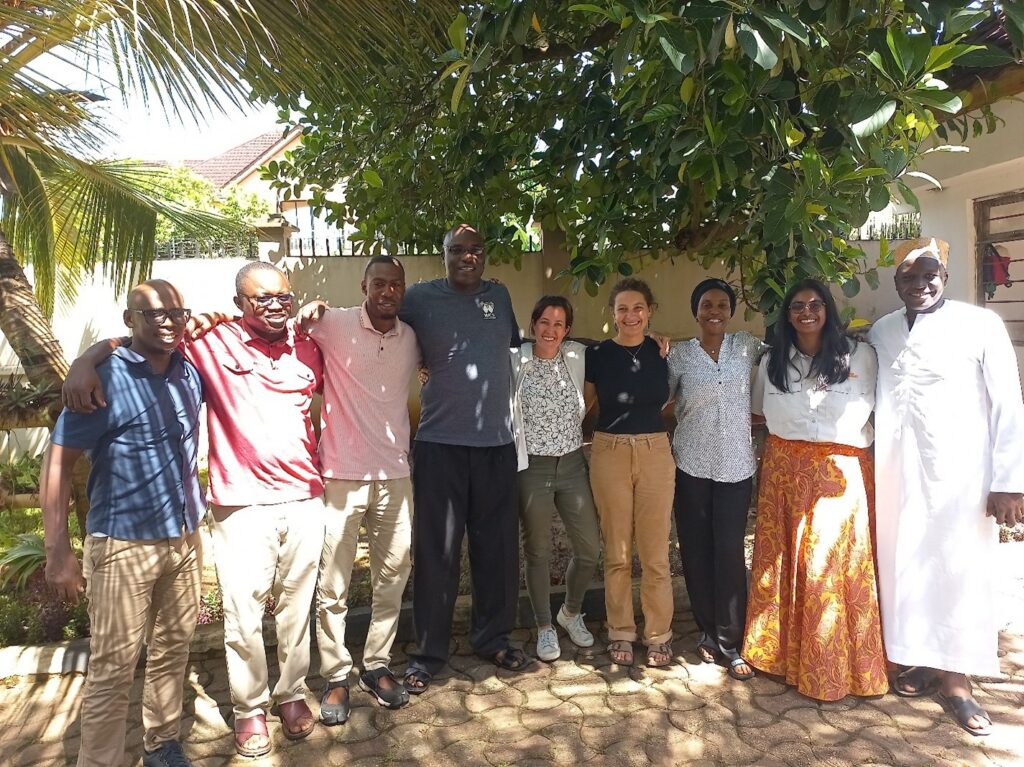
Participants represented institutions from across the region, including WCS Tanzania, WCS Kenya, Wild Impact, Blue Alliance, Universidade Lúrio in Mozambique, and NRF-SAIAB’s MaRIP in South Africa.
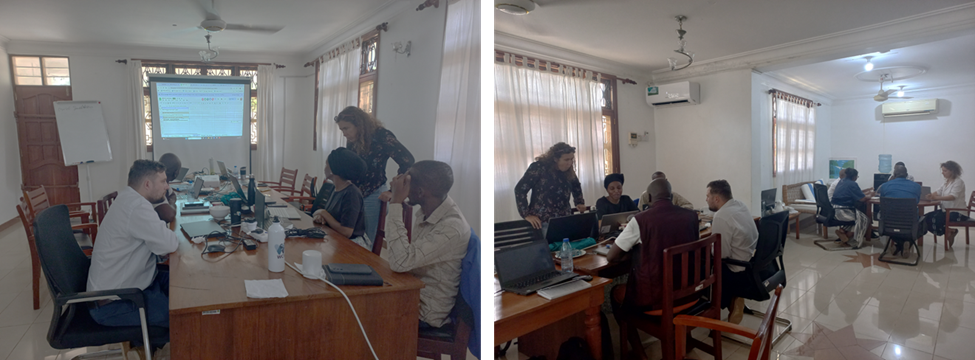
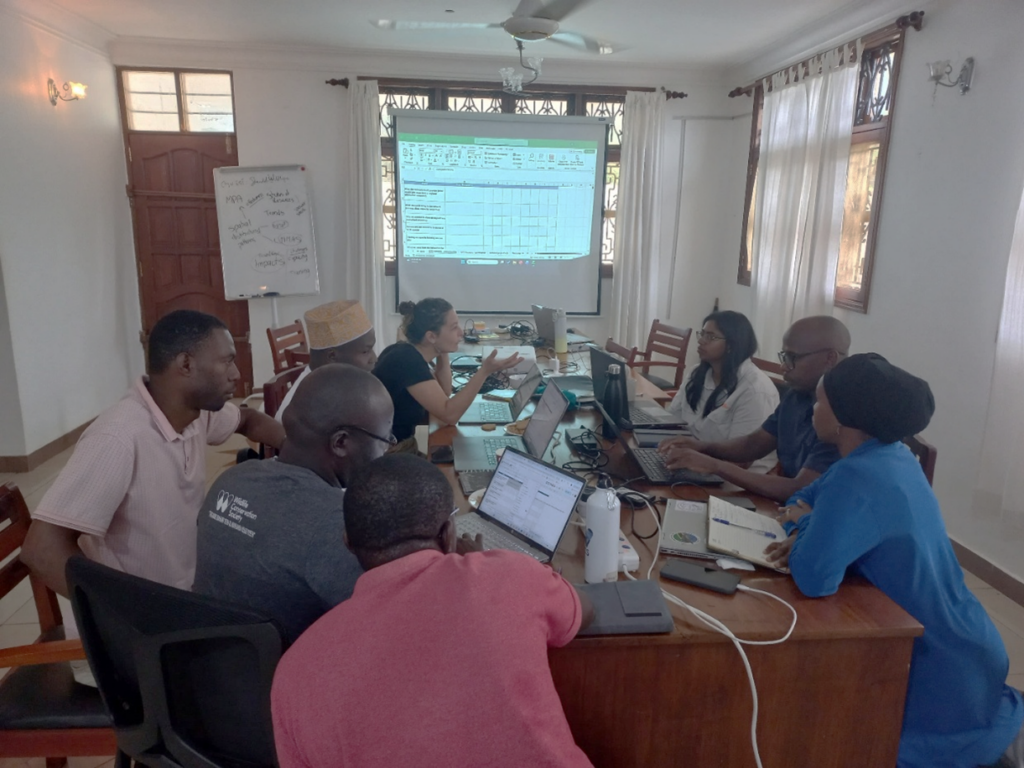
The workshop combined technical training with strategic planning. Participants completed a regional methods audit to compare field protocols, data management practices and annotation workflows. Training sessions focused on data management systems developed by NRF-SAIAB’s MaRIP, including standardised folder structures, quality control tools, and FAIR data principles – ensuring data are Findable, Accessible, Interoperable and Reusable.
Hands-on demonstrations introduced participants to CheckEM, an automated quality control tool for EventMeasure exports, and GlobalArchive, an international BRUVs data repository. A field visit to the Malindi fish landing site at Zanzibar Harbour also highlighted the direct connection between reef fish monitoring and fisheries-dependent coastal livelihoods.
Establishing the WIO Fish-VON network
By the final day, discussions shifted toward establishing a formal regional monitoring network. Participants agreed on foundational governance structures for the proposed WIO Fish Video Observation Network (WIO Fish-VON), which aims to coordinate video-based fish monitoring across the Western Indian Ocean through shared data standards, collaborative surveys and regional capacity development.
NRF-SAIAB’s MaRIP was proposed as the founding secretariat for the network’s initial three-year term.
Reflecting on the workshop, participant Magreth Kasuga from WCS Tanzania said:
“The workshop was really good and helpful for me, particularly in terms of improving and managing BRUVs data, as well as growing the fish observation network with similar protocols and the same goals.”
Dr Kaylee Smit, workshop convenor and postdoctoral researcher within MaRIP at NRF-SAIAB, said the engagement was about more than technical training.
“This workshop was about building the trust and shared understanding that makes regional science possible. We leave Zanzibar with a network that has a draft governance structure, committed institutions and a strong foundation for future collaboration.”
Looking ahead
A second regional workshop is planned for Kenya later this year as the initiative continues to strengthen intra-African scientific collaboration and contribute toward global ocean conservation goals.
Access the Workshop summary report below: