When herbicide spraying stopped on Hartbeespoort Dam in 2017, water hyacinth quickly spread, covering 40 % of the dam’s surface within months. The dam lies downstream of Pretoria and much of Johannesburg, receiving an estimated 500 tonnes of phosphorus and 4 700 tonnes of nitrogen annually, largely from poorly treated sewage and agricultural runoff. This pollution has persisted for decades, creating near-perfect conditions for the growth of the world’s worst water weed. For 40 years, herbicide spraying and mechanical removal provided only temporary relief at high cost.
Biological control uses a weed’s natural enemies against it. These organisms are usually absent in places where the weed has been introduced. Biological control therefore involves reuniting the weed with these natural enemies, after extensive testing to ensure they will not harm other plants. Several agents have been released against water hyacinth in South Africa since the 1970s, but high nutrient levels and cold winters have limited their success.
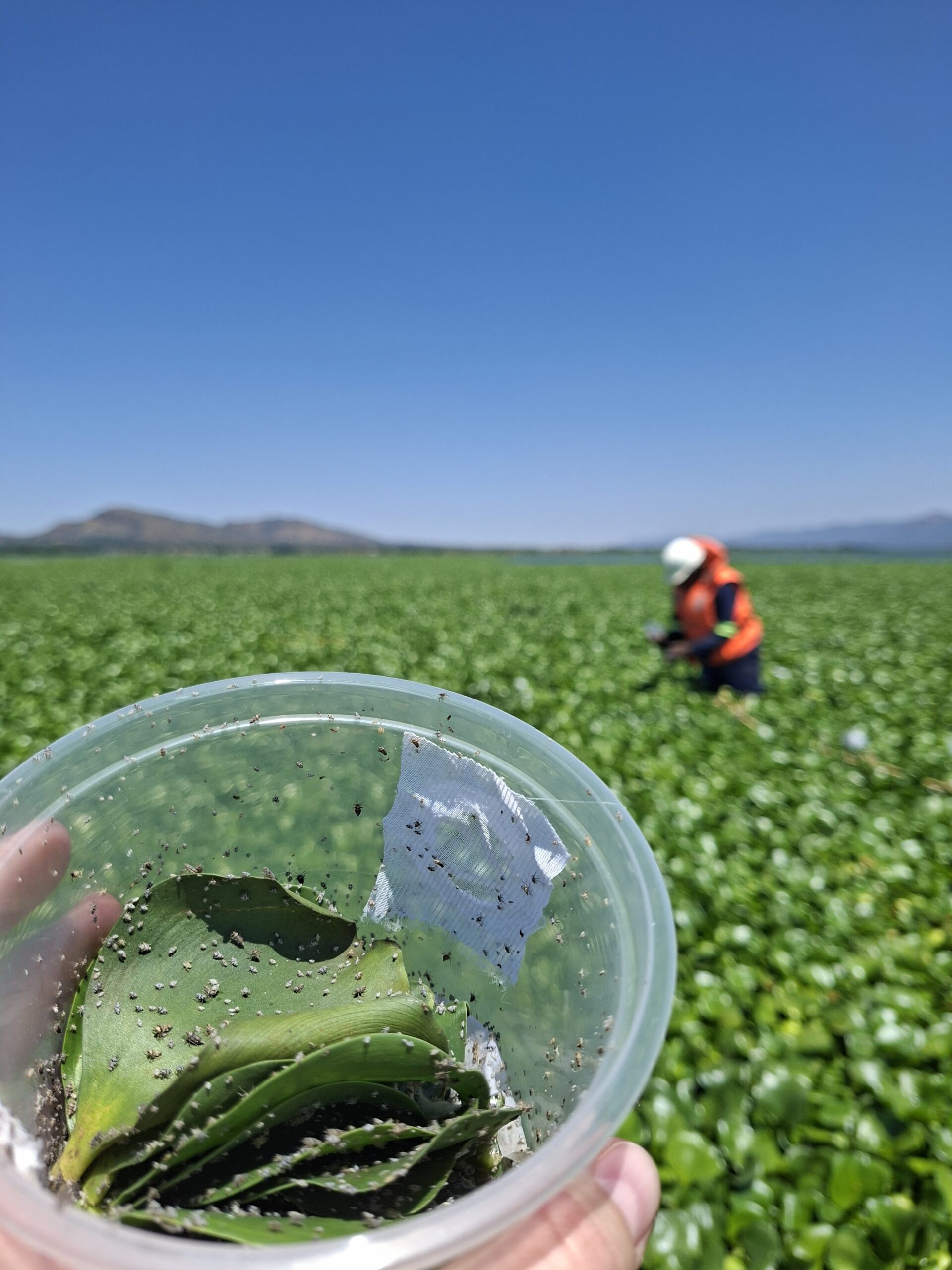
In 2018, Professor Julie Coetzee and her team from Rhodes University’s Centre for Biological Control (CBC) began mass releases of the newest agent, the planthopper Megamelus scutellaris, a bug about the size of a lentil. The bugs were reared in Makhanda and couriered across the country for release into the dam. Over the next two years, their numbers gradually increased, and by January 2020, they had reached a critical mass, causing water hyacinth mats to collapse.
The cold Highveld winters continued to pose a challenge. Because water hyacinth does not actively grow over winter, the planthopper populations remained low due to a lack of food. In spring, water hyacinth regrew from seeds, allowing it to spread without the insects to control it. It became clear that the dam needed a reliable supply of insects that could be released each spring.
This is where the community stepped in, with support from CBC. Residents, housing estates and clubs around the dam established and managed their own planthopper rearing stations. In 2023, these stations released nearly 700 000 insects, more than the CBC had supplied over the previous six years combined. The results were impressive: each year brought a significant reduction in the water hyacinth coverage.
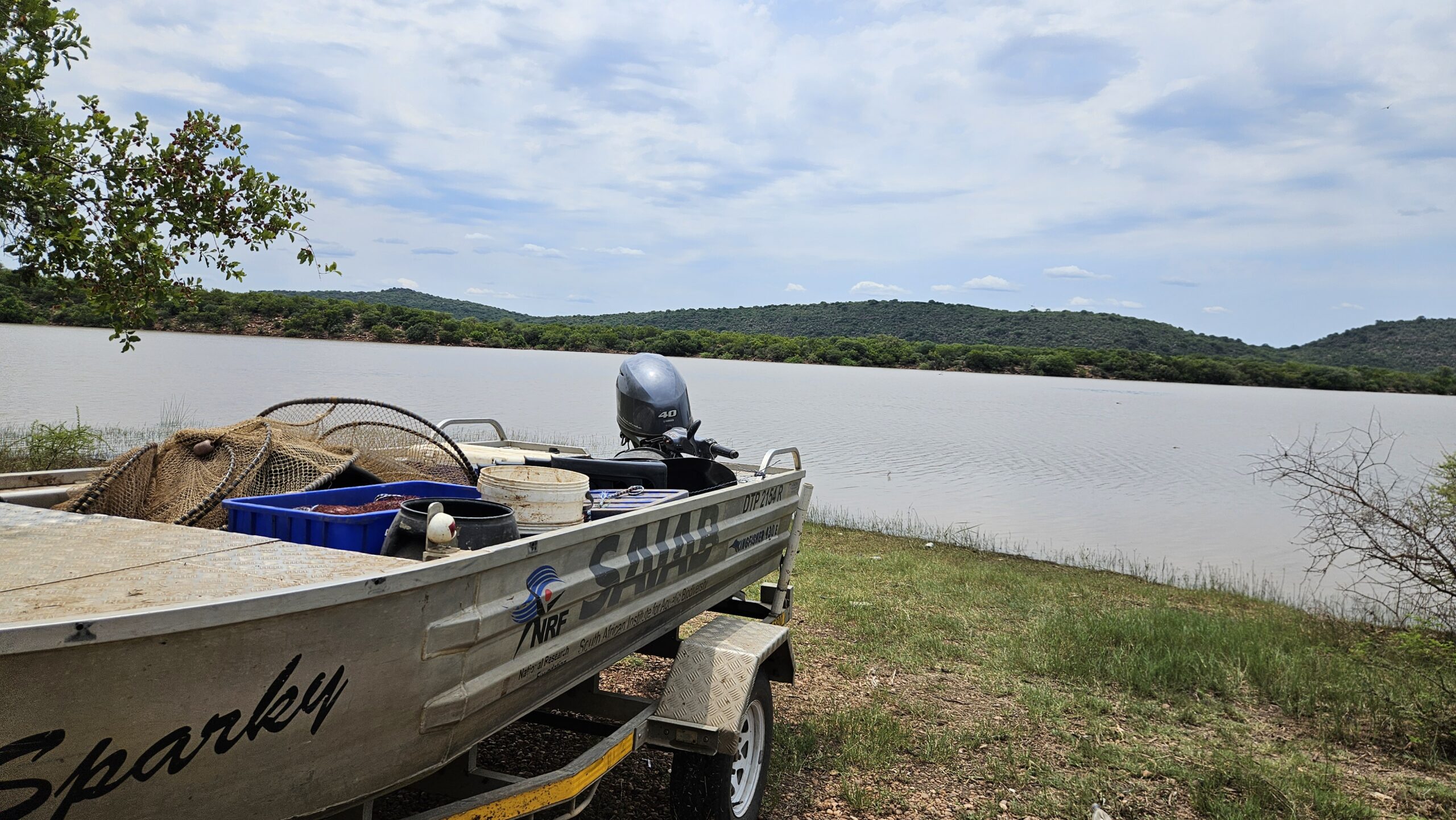
Professor Coetzee now holds a DSTI NRF-SAIAB SARChI Research Chair at the NRF-South African Institute for Aquatic Biodiversity (NRF-SAIAB) and remains deputy director of the CBC. The success of this approach has inspired other initiatives. This model of mass rearing and large-scale releases has since been adopted by Rand Water on the Vaal River, Umgeni-uThukela Water in KwaZulu-Natal and the City of Cape Town. With support from the CBC and NRF-SAIAB, these organisations now rear and release their own insects to control water hyacinth.
However, the Hartbeespoort community also understood that water hyacinth was only a symptom of a much bigger problem. In a 2023 survey, many of the respondents identified water pollution as the underlying cause. Treating one symptom without addressing the root cause leaves the door open for another problem to emerge. This became clear in 2021, when common salvinia (Salvinia minima) began spreading while water hyacinth cover was low.
While biological control can help manage invasive aquatic plant infestations, only improved wastewater treatment can tackle the nutrient pollution that fuels their growth. The 2025 Green Drop Report found that nearly half (47 %) of municipal wastewater systems were in a critical state. For these gains to last, community-led action needs to be matched by stronger enforcement against polluters and sustained government investment in insect rearing, releases and research.